
Consumer Durables Inventory Planning: Why Supply and Demand Signals Are Moving in Opposite Directions
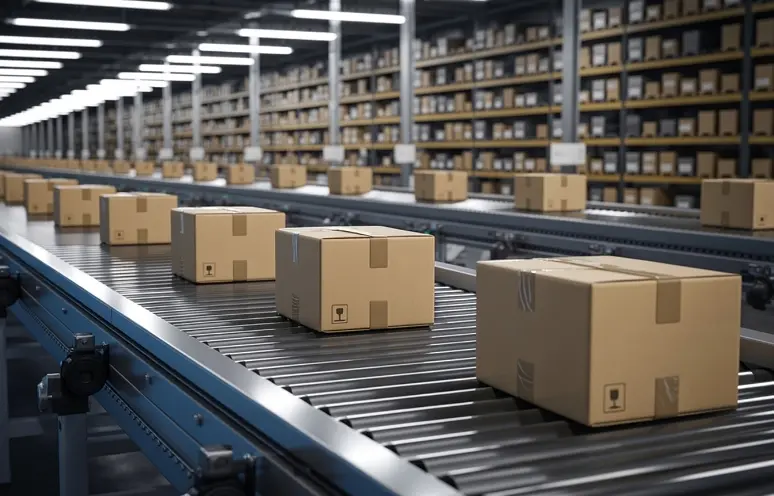
How tariff-driven sourcing shifts and shifting demand are colliding for planners
Picture a furniture brand that moves a sofa line to a new supplier region because of tariffs. In the same week, sales of that line went flat. The sourcing report says the move is working. The demand report says the next purchase order is too big. Neither report is wrong. They are answering two different questions, and most supply chain planners still have to decide whether to confirm that order.
Two clocks, one decision
Sourcing and demand run on different timelines. Moving production takes quarters. A shopper who decides to wait can change a sales line in weeks. Planning that treats supply as the slow, steady side can misread what is happening on the demand side, and the reverse.
The tension, in one table
| Supply side | Demand side | |
| What’s happening | Added duties are raising landed costs on some imported categories | Some electronics demand was pulled forward into 2025; appliance shoppers are delaying upgrades and trading down |
| Speed of change | Plays out over quarters (new suppliers, new regions) | Can flip in weeks (a shopper decides to wait) |
| 2026 direction | Duty rules keep changing; the furniture duty is scheduled to rise in 2027 | Electronics growth forecast to be flat to slightly negative |
| Real example | Upholstered wooden furniture: 25% Section 232 duty since October 2025 | Consumer electronics: slower growth forecast after 2025’s rush to buy |
How tariffs are reshaping the consumer durables supply chain
This is the sourcing half of the story, and because it’s already showing up in pricing, it’s the more visible one right now.
Customs guidance (CSMS #68253075) confirms that since April 6, 2026, Section 232 duties on covered steel, aluminum and copper articles apply to the full customs value. Upholstered wooden furniture also faces a separate 25% Section 232 tariff that took effect in October 2025. Flexsteel’s annual report says the rate is scheduled to rise to 30% in 2027.
Each Product duties apply depends on classification, country of origin and date, so landing cost has to be worked out SKU by SKU, not estimated by category.
Some electronics demand arrived early in 2025 Consumer electronics grew faster than expected in 2025. This wasn’t because people suddenly wanted more gadgets, but because shoppers rushed to buy ahead of expected tariff-driven price hikes, according to OpenBrand’s chief economist.
Because of that rush, much of the demand effectively arrived early, which is largely why 2026 is forecast to be flat to slightly negative for the category. The interest didn’t disappear, shoppers just spent it early. That can be hard for forecasting methods that assume steady demand to catch.
Appliances show a related squeeze: people are still buying, but they’re stretching out replacement timelines and trading down to simpler models. As a result, mid-tier upgrades are under the most pressure.
When nobody reconciles the two, this happens
Two home-category retailers filed for Chapter 11 in 2025: At Home Group on June 16, and American Signature, the parent of Value City Furniture, on November 22. The filings point to several pressures at once. At Home cited interest rates, inflation and tariff-related customs costs. American Signature cited a severe housing downturn, inflation, interest rates, tariffs and post-pandemic demand. Tariffs were one pressure among several.
A quieter version of this may be playing out more widely. Tariff uncertainty can make brands hesitant to reorder or reset assortments, so they may hold cash, cut inventory commitments and delay liquidation decisions. That is an understandable instinct, but it can have a side effect: more products ending up as excess inventory in the secondary market. In other words, caution meant to protect margin can create the overstock risk it was trying to avoid.
Why supply and demand signals can mislead planners when viewed separately.
A sourcing shift plays out over quarters. A demand shift, however, can flip in weeks. Most planning systems assume supply is the slow, steady variable, but that assumption no longer holds.
The two signals can feed each other:
- New tariffs can raise landed costs.
- Higher costs may be passed through as price increases.
- Price increases can lead more households to defer a purchase.
- Deferred purchases can leave inventory sitting longer, squeezing margins from both sides at once.
Consequently, a team that reacts by simply cutting orders can end up cutting the exact SKUs about to see demand return once rates ease and housing recovers. This is where tariffs and demand timing are catching most furniture and appliance brands out this year.
Seeing both signals in the same view
The fix isn’t a better forecast on either side alone. It’s reviewing sourcing data (new regions, shifting lead times, landed costs) and demand-timing data (deferred categories, trade-down behavior, pulled-forward demand) together, so a planner can spot the divergence before confirming an order instead of finding it in an inventory report two quarters later. SpectraONE is one such platform planning teams use to review demand, inventory and supply signals in one place.
