Inventory Visibility for Consumer Health Supply Chains

In consumer health, inventory visibility plays a critical role in ensuring products are available when customers need them. Whether someone is buying pain relief medicine, vitamins, wellness supplements, skincare products, or allergy tablets, they expect those products to be readily available. That expectation has become harder for companies to manage.
Consumer health products are no longer sold through only one or two channels. They move through pharmacies, supermarkets, hospitals, e-commerce platforms, marketplaces, distributors, and quick-commerce networks. At the same time, demand can shift quickly because of seasonality, health trends, promotions, or sudden changes in consumer behavior.
For many mid-market consumer health companies, the challenge is not just having inventory. The bigger challenge is knowing exactly where that inventory is, how much is available, and whether it is enough to meet demand across different channels.
This is where inventory visibility becomes important. It gives businesses a clearer, real-time view of stock across warehouses, suppliers, distributors, and sales channels. With better visibility, teams can plan faster, reduce stockouts, avoid excess inventory, and improve customer service.
Why Real-Time Stock Visibility Matters in Consumer Health
The consumer health supply chain is highly sensitive to demand changes.
A flu season can increase demand for immunity products. Spring can drive higher sales of allergy medicines. A promotion from a major retailer can suddenly increase order volumes. Even a social media trend can create unexpected demand for a supplement or wellness product.
When companies do not have accurate inventory visibility, they often find out about shortages too late. Orders start getting delayed. Retailers begin asking for updates. Customers move to competing brands.
On the other hand, too much inventory creates its own problems. Consumer health products often have expiry dates, batch requirements, and storage guidelines. Holding excess stock for too long can lead to waste, markdowns, or write-offs.
Good inventory visibility helps companies answer practical questions such as:
- Which products are available right now?
- Where is the stock located?
- Which locations are running low?
- Which products are moving faster than expected?
- Which inventory may expire soon?
- Can current stock support upcoming demand?
These answers help planning teams make decisions before problems become expensive.
Common Challenges in Managing Inventory

Many consumer health companies know inventory visibility is important, but achieving it is not always simple. The issue is usually not a lack of data. In most cases, the data exists, but it is scattered across different systems and teams.
1. Disconnected Systems
Inventory data often sits in ERP systems, warehouse management tools, spreadsheets, distributor reports, and retailer portals.
When these systems do not work together, teams spend too much time collecting and checking information manually. By the time the report is ready, the data may already be outdated.
This creates confusion between sales, operations, procurement, and finance teams. One team may think inventory is available, while another team knows it has already been allocated or shipped.
2. Delayed Inventory Updates
Inventory is constantly moving. Products are received, transferred, picked, packed, shipped, returned, or adjusted throughout the day.
If inventory records are updated only once a day or once a week, planners are forced to make decisions using old information. That delay can lead to missed replenishment opportunities, inaccurate order commitments, and poor allocation decisions.
3. Multiple Sales Channels
Consumer health companies now serve many channels at the same time, including:
- Pharmacies
- Hospitals
- Supermarkets
- Retail chains
- Online marketplaces
- Direct-to-consumer websites
- Quick-commerce platforms
Each channel behaves differently. A product may sell slowly in one channel but move very quickly in another. Without proper supply chain visibility, businesses may send stock to low-demand locations while high-demand channels face shortages.
4. Supplier and Distribution Risks
Supplier delays, transportation disruptions, raw material shortages, and compliance requirements can all affect inventory availability.
If teams cannot see supplier performance, inbound shipments, and warehouse stock in one place, they often react after the disruption has already affected customers.
The Cost of Poor Stock Management
Poor inventory visibility creates problems across the business, not just inside the warehouse.
Production teams may manufacture products that are already overstocked. Sales teams may accept orders without knowing whether inventory is available. Procurement teams may place urgent purchase orders because they do not have a clear view of current stock.
Over time, this leads to:
- Stockouts and missed sales
- Excess inventory in the wrong locations
- Higher storage and carrying costs
- Product expiry and waste
- Emergency freight expenses
- Lower customer satisfaction
- Poor working capital efficiency
For consumer health companies, these issues can damage both profitability and trust. If a retailer cannot depend on consistent supply, it may reduce shelf space or shift demand toward another brand.
From Inventory Tracking to Smarter Decision-Making
Inventory tracking tells a company what stock it has.
Inventory visibility goes further. It shows how inventory is moving, where it is needed, and what risks may appear next.
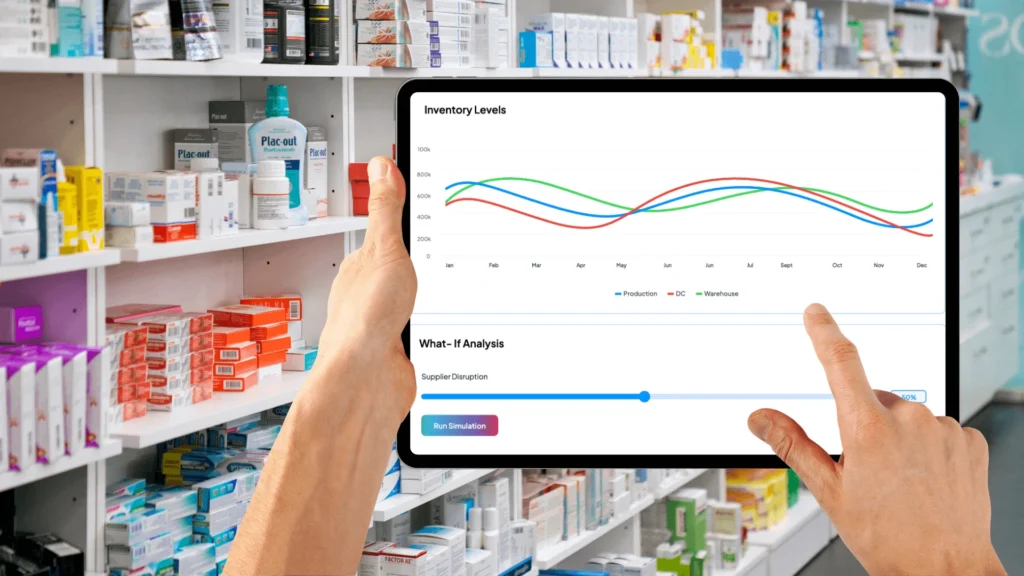
For example, a planner may see that a warehouse has enough stock today. But if sales velocity is increasing and supplier lead time is long, that same warehouse may face a stockout next week.
This is why modern inventory management needs more than static reports. It needs connected data, real-time updates, and forward-looking insights.
With better visibility, teams can move from asking, ‘What happened?’ to ask, ‘What should we do next?”
Building a Connected Supply Chain
Improving inventory visibility starts with connecting data across the supply chain.
Consumer health companies should bring together information from:
- ERP systems
- Warehouse Management Systems
- Supplier updates
- Distributor inventory
- Customer orders
- Sales channels
- Production schedules
- Demand forecasts
When this information is connected, teams get a single, reliable view of inventory. This reduces manual work and improves decision-making.
It also helps different departments work together. Sales can see what inventory is available. Operations can plan replenishment more accurately. Procurement can understand what needs to be ordered and when. Finance can better manage working capital.
A connected inventory strategy gives the business one shared view instead of multiple versions of the truth.
How AI Improves Inventory Visibility
Artificial intelligence is making inventory visibility more useful for planning teams.
Traditional systems usually show current or past inventory levels. AI can help identify what is likely to happen next by analyzing demand patterns, supplier performance, seasonality, inventory movement, and sales trends.
AI-powered inventory visibility can help companies:
- Detect possible stock shortages earlier
- Identify slow-moving products
- Recommend better inventory allocation
- Improve replenishment planning
- Reduce excess inventory
- Support more accurate demand forecasting
- Improve inventory optimization across channels
This does not replace planners. It helps them work with better information.
Instead of spending hours preparing reports, planners can focus on decisions: where to move stock, what to replenish, which risks to prioritize, and how to support customer demand.
How SpectraONE Improves Inventory Management

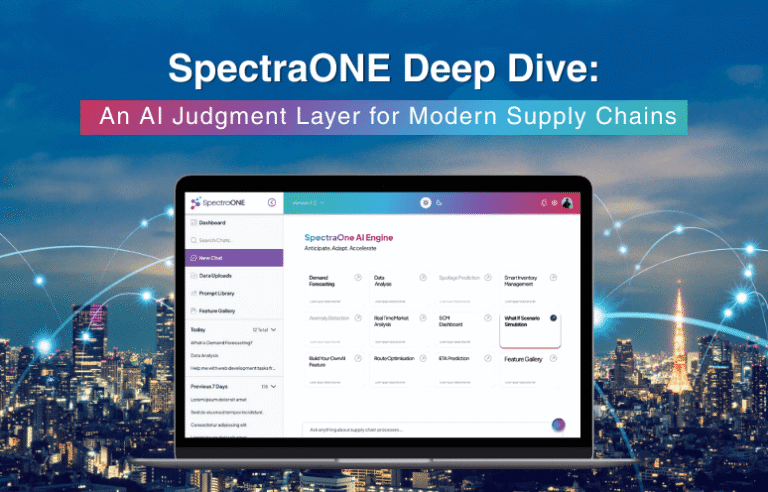
SpectraONE helps consumer health manufacturers improve inventory visibility by bringing demand, inventory, production, and supply chain data into one connected platform.
Instead of depending on spreadsheets or disconnected systems, planning teams can see inventory across suppliers, warehouses, distributors, and sales channels in real time.
With SpectraONE, businesses can:
- View inventory across multiple locations
- Identify potential shortages early
- Improve replenishment decisions
- Optimize inventory allocation
- Reduce excess stock
- Improve demand forecasting
- Run planning scenarios
- Respond faster to market changes
SpectraONE also supports AI-powered analytics and scenario planning, helping teams understand the impact of demand changes, supply delays, or inventory constraints before they affect customers.
Because SpectraONE integrates with existing ERP systems, companies can improve planning without replacing their current technology setup.
Conclusion
Inventory visibility has become a practical requirement for consumer health companies. As demand becomes harder to predict and sales channels continue to expand, businesses need a clear view of inventory across the entire supply chain.Without that visibility, companies risk stockouts, excess inventory, product waste, and higher operating costs.
With connected planning and AI-powered insights, they can improve inventory management, strengthen supply chain visibility, reduce risk, and serve customers more reliably. For mid-market consumer health manufacturers, better inventory visibility is not just an operational improvement. It is a smarter way to manage growth, protect margins, and build a more resilient supply chain.
Frequently Asked Questions
1. What is inventory visibility in a consumer health supply chain?
Inventory visibility is the ability to track and monitor inventory levels, locations, and movement across the entire consumer health supply chain in real time. It helps businesses maintain product availability, reduce stockouts, optimize inventory, and make faster, data-driven decisions.
2. Why is inventory visibility important for consumer health companies?
Inventory visibility enables consumer health companies to respond quickly to changing demand, manage products with expiry dates, improve inventory management, and ensure products are available across pharmacies, retailers, distributors, and online sales channels. It also helps reduce excess inventory and improve customer satisfaction.
3. How can AI improve inventory visibility and inventory management?
AI enhances inventory visibility by analyzing demand patterns, inventory movement, supplier performance, and sales trends to identify potential risks before they impact operations. It supports better inventory management through accurate demand forecasting, smarter replenishment planning, inventory optimization, and proactive decision-making.