
Demand Planning for Mid-Market Pharma Manufacturers
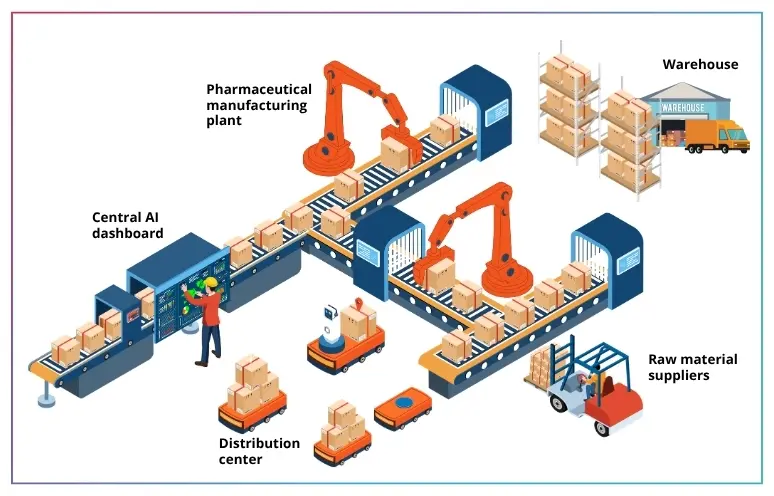
Demand planning has become one of the most important capabilities for pharmaceutical manufacturers. A delayed batch or stock shortage isn’t just an operational issue- it can affect pharmacies, healthcare providers, and patients waiting for critical medicines. At the same time, manufacturers have to deal with strict regulations, changing demand, expiry dates, production constraints, and rising cost pressures. For mid-market pharma manufacturers, these challenges can feel even bigger because teams are often working with limited planning resources and disconnected systems.
This is where demand planning plays an important role. It helps manufacturers look beyond past sales, understand what demand may look like in the coming weeks or months, and make better decisions around production, purchasing, and inventory.
Why Demand Planning Is Important in Pharma
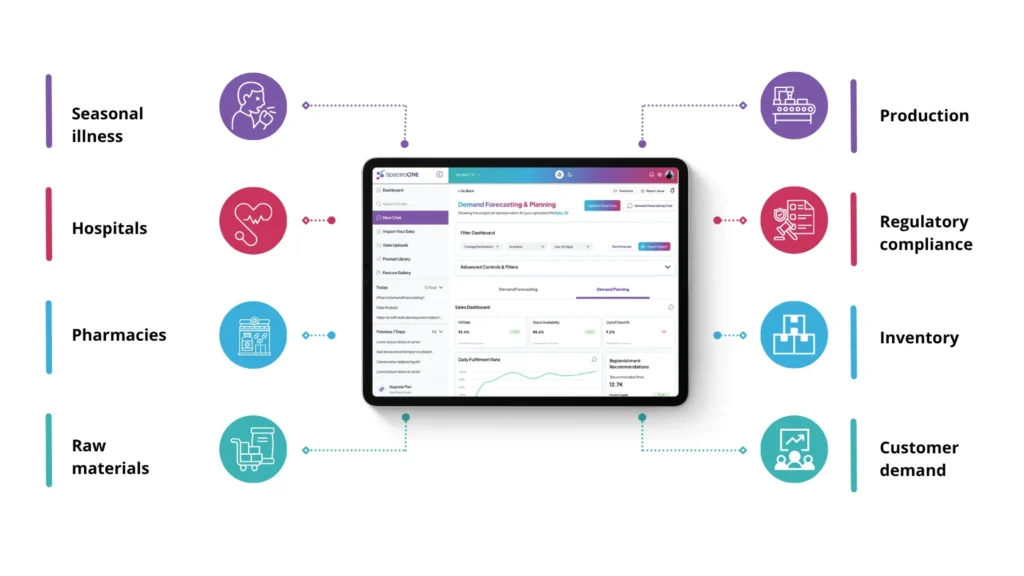
Demand planning in pharma is not as simple as checking last year’s sales and increasing the number slightly. Demand can change for many reasons. Seasonal illnesses can increase the need for certain medicines. A distributor may place a larger-than-usual order. A hospital group may change its buying cycle. A new regulation or market change may also affect how much product is needed and when.
At the same time, pharma manufacturers need to manage product shelf life, batch production, raw material availability, and compliance requirements. If planning is not accurate or connected across the business, problems can build up quickly. For example, a company may have strong demand for a product but not enough raw material to produce it on time, or it may produce more than the market needs and end up with inventory that gets close to expiry.
Good demand planning helps teams avoid these situations by giving them a clearer view of what is coming and what actions they need to take.
The Real Cost of Poor Planning
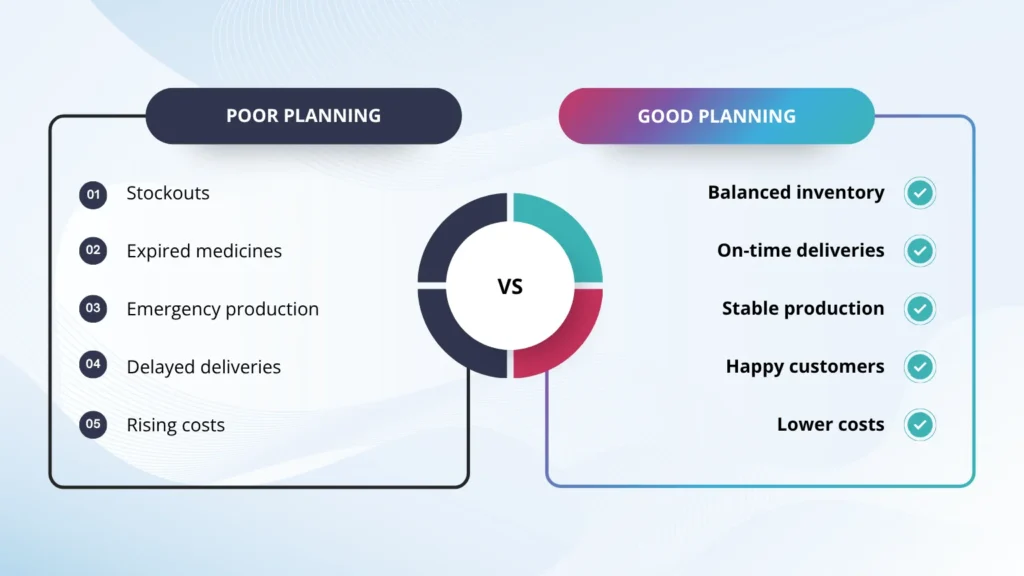
Poor planning often shows up in ways that are easy to miss at first.
A production team may have to run urgent batches. Procurement may need to pay more for last-minute raw materials. Warehouse teams may struggle with excess stock. Sales teams may have to explain delays to customers.
Over time, these issues become expensive. For example, if a manufacturer produces too much of a slow-moving medicine, that stock may sit in the warehouse for months. Because pharma products have expiry dates, the company may eventually need to discount, destroy, or write off that inventory.
On the other hand, if the company underestimates demand, it may run out of stock. This can lead to missed sales, unhappy customers, and pressure on production teams to react quickly.A better demand planning process helps reduce these risks. It allows manufacturers to spot changes earlier, adjust plans faster, and make decisions based on current data instead of guesswork.
Why Forecast Accuracy Alone Isn’t Enough
Many companies focus heavily on forecast accuracy. That makes sense, but it is only one part of the planning process. A forecast can be accurate on paper and still fail in practice.
For example, the forecast may show the right total demand for the month, but inventory may not be available in the right region. Or the forecast may be correct, but production may be delayed because a key raw material has not arrived.
This is why demand planning needs to be connected with the rest of the supply chain.
It should help answer practical questions such as:
- Do we have enough raw materials?
- Can production meet the expected demand?
- Is the inventory in the right location?
- Are there any products at risk of expiry?
- Are customer orders changing faster than expected?
When demand planning is connected to procurement, production, inventory, and sales, teams can make better decisions and respond more quickly.
Creating a More Connected Planning Process
One of the biggest challenges for mid-market pharma manufacturers is that planning information is often spread across different teams and systems.
Sales may have one view of demand. Production may have another. Procurement may be working from a separate file. Warehouse teams may have their own inventory reports.
When this happens, it becomes difficult to create one clear plan.
A connected planning process brings important information together, including:
- Historical sales
- Current customer orders
- Distributor demand
- Inventory levels
- Production capacity
- Raw material availability
- Supplier lead times
- Expiry dates
- Seasonal trends
With this information in one place, teams can make decisions faster. They can see where demand is changing, where supply may be limited, and where inventory needs attention.
This also improves teamwork. Instead of debating whose spreadsheet is correct, teams can focus on solving the actual problem.
Using Data to Plan Better
Modern demand planning gives pharma manufacturers a better way to use the data they already have.
Rather than waiting until the end of the month to review performance, teams can monitor demand and supply changes more regularly. This helps them react before problems become serious.
For example, if distributor orders start rising earlier than expected, planners can review available inventory and production capacity. If a raw material shipment is delayed, they can check which products may be affected and adjust the plan.
Data also helps manufacturers compare different options. A planning team can look at what might happen if demand increases, a supplier is late, or production capacity is limited.
This kind of scenario planning is useful because it helps teams prepare instead of simply reacting.
How SpectraONE Helps
Many mid-market pharma manufacturers still rely on disconnected spreadsheets and ERP reports for planning. SpectraONE brings demand, inventory, and production data into one connected platform, helping planners make faster and more confident decisions.
With AI-powered forecasting, real-time visibility, and scenario planning, SpectraONE helps teams make faster and more confident decisions. It also integrates with existing ERP systems, so manufacturers can improve planning without replacing the tools they already use.
By using SpectraONE, pharma manufacturers can reduce stockouts, avoid excess inventory, improve forecast accuracy, and respond more quickly when market demand changes.
Planning for Growth
As pharma manufacturers grow, planning naturally becomes harder.
More products, more customers, more suppliers, and more markets all add complexity. A spreadsheet-based process that worked in the past may no longer be enough.
At some point, the business needs a more structured approach to demand planning.
This does not only mean better software. It also means better processes, clearer ownership, and stronger collaboration between teams.
With the right planning process in place, manufacturers can:
- Reduce stockouts
- Avoid excess inventory
- Improve production planning
- Manage expiry risk
- Make better purchasing decisions
- Improve customer service
- Support business growth
For mid-market manufacturers, this can make a real difference. It helps the business grow without creating unnecessary pressure on planning teams.
Wrapping Up
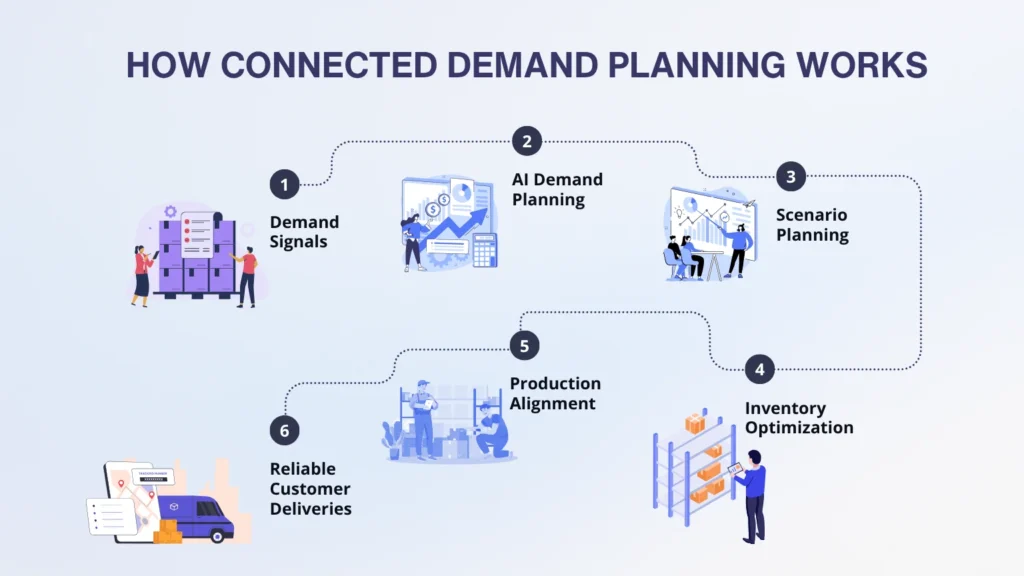
For pharma manufacturers, demand planning is much more than a forecast. It is a way to connect sales, production, procurement, and inventory so the business can make better decisions.
When planning is disconnected, manufacturers face higher costs, more stock issues, and slower responses to market changes. When planning is connected, teams can see problems earlier and act with more confidence.
For mid-market pharma manufacturers, improving demand planning is one of the most practical ways to build a more reliable, efficient, and resilient supply chain.