Why Are U.S. Drug Shortages Lasting Longer Than Ever in 2026?
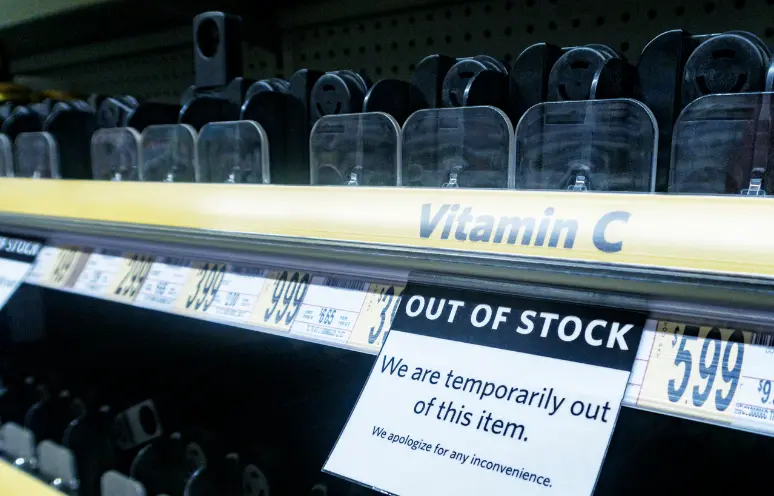
On paper, the U.S. pharmaceutical supply chain looks like it is finally catching its breath. Look at the raw headlines, and you will see a noticeable drop in the total number of active drug disruptions across the country. But for hospital administrators, procurement teams, and patient care coordinators on the front lines, the reality on the ground feels entirely different.
| The crisis hasn’t been solved; it has just changed shape. |
According to the newly released USP 2026 Annual Drug Shortages Report, published by the United States Pharmacopeia [USP], the critical issue in 2026 isn’t just how many shortages are starting, but how long they linger. The average life science supply disruption now lasts over 5 years, a massive escalation from the 4.3-year average tracked in 2024.
When a missing life-saving medication transforms from a temporary operational hiccup into a half-decade-long blockade, it signals a deep, structural failure in the pharmaceutical ecosystem. To understand why these disruptions have become so stubborn, we have to look closely at the fragile economics of generic drug manufacturing and the extreme concentration of the global supply network.
| The Problem at a Glance The reduction in active U.S. drug shortages is a misleading metric. Shortages are lasting longer than ever because generic manufacturers are operating under extreme price compression, leaving them with zero economic buffer to absorb supply shocks or invest in factory upgrades. When these razor-thin margins clash with heavily concentrated global supplier networks, a single point of failure can freeze a critical product line for years. |
The Margin Squeeze: Why Generic Makers Are Vulnerable
To understand the longevity of modern drug shortages, you have to look at the unique financial vise gripping the generic drug industry. Generic medications make up the vast majority of prescriptions filled in the United States, yet the companies producing them operate on razor-thin profit margins.
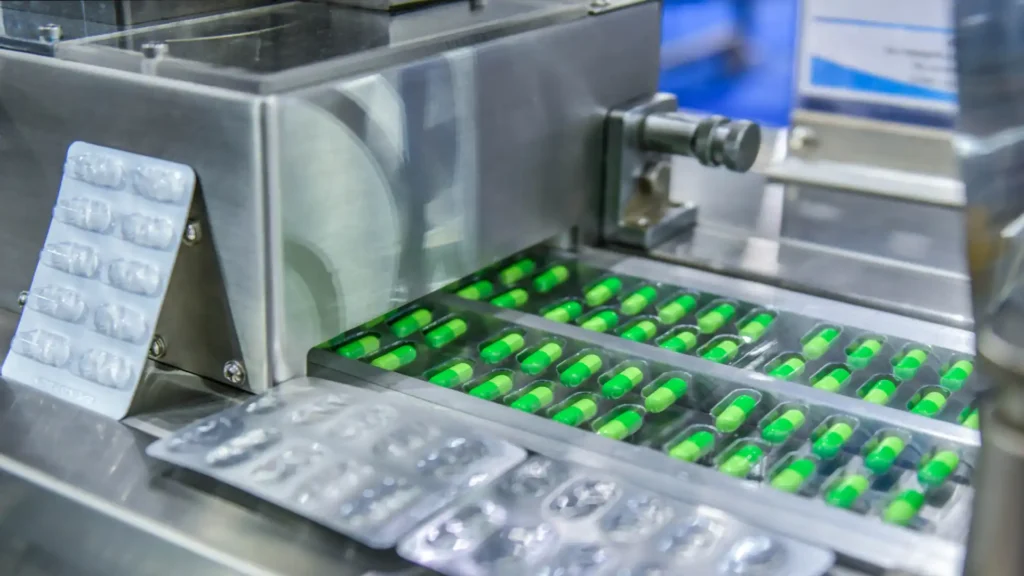
In a healthy market, a shortage creates a supply deficit, causing prices to rise, which naturally rewards suppliers who can bring new capacity online. But the generic drug market does not operate like a normal textbook economy. Driven by hyper-competitive group purchasing frameworks and a race-to-the-bottom on pricing, generic margins have been compressed down to pennies.
When a generic manufacturer experiences an operational issue such as a facility breakdown, a failed regulatory inspection, or a sudden spike in raw material costs, they face a devastating financial choice:
- No Capital for Contingencies
Because their profit margins are so narrow, these facilities rarely have excess capital sitting around to build redundant production lines, maintain deep safety stock buffers, or absorb sudden logistics cost increases.
- The Discontinuation Trap
If fixing a compliance issue or sourcing an alternative ingredient costs more than the drug can fetch on the open market, manufacturers do the only logical thing left for a business, so they permanently stop making the drug altogether.
When a low-margin factory goes dark, other manufacturers cannot simply flip a switch to fill the void. Ramping up production lines for highly sensitive sterile injectables or complex oral solids requires millions of dollars in capital and months or even years of strict regulatory validation.
As a result, the market stays empty, and the shortage clock keeps ticking year after year.
The Geographic Chokepoint: The U.S.–India Reliance
The second reason shortages are lasting longer than ever comes down to geographic concentration. The United States generic pharmaceutical pipeline relies heavily on a highly localized hub of global manufacturing.

Today, India supplies roughly 45% to 47% of the total U.S. generic drug volume. This immense volume means that nearly half of the critical, everyday medications dispensed in American healthcare systems trace their roots back to Indian manufacturing clusters.
While this centralized footprint offers incredible economies of scale, it also introduces massive systemic vulnerabilities:
Upstream Vulnerabilities
Even when an Indian manufacturing facility is running perfectly, it frequently relies on single-source suppliers located in other regions for Key Starting Materials [KSMs] and Active Pharmaceutical Ingredients [APIs].
- Regional climate event
- Economic shift
- Regulatory block
It hits those upstream chemical nodes, and the entire generic production line stalls.
The Lead-Time Echo
When an operational or logistical disruption happens thousands of miles away, the delay ripples across oceans.
- Re-routing raw materials
- Resolving international compliance actions
- Clearing shipping backlogs
It takes a tremendous amount of time. Because the global pipeline is pulled so taut, there is simply no slack in the system to recover from a localized shock.
When half of your market volume originates from a single global region, any systemic tremor there creates a long-lasting echo in U.S. medicine cabinets.
Moving Past Reactive Triage
For years, the healthcare industry has treated drug shortages like short-term emergencies using reactive triage, manual tracking spreadsheets, and emergency allocation protocols to shift boxes of medicine from one hospital to another.
But the data from the latest USP Annual Drug Shortages Report proves that the old way of managing supply chain risk is no longer sustainable. When shortages become multi-year fixtures, they stop being temporary crises and become the baseline reality of healthcare logistics.
Solving a five-year shortage problem requires the market to move past finished-goods tracking.
- Look all the way upstream across the pharmaceutical supply chain
- Gain deep visibility into multi-tier chemical suppliers
- Understand the fragile economics of the factories that make our medicines
- Build proactive diversification strategies before the next headline disruption arrives
Together, these actions are the foundation of true resilience in the drug supply chain. Read the full regulatory and economic breakdown by accessing the USP 2026 Annual Drug Shortages Report directly.