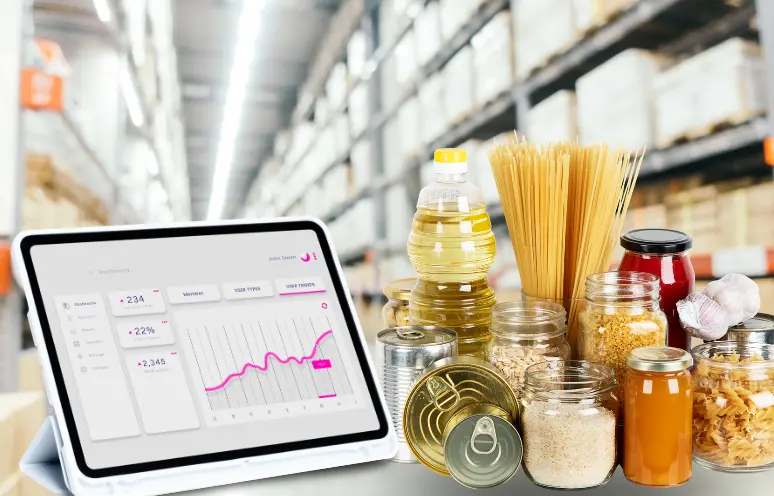
Seasonal demand planning for packaged foods helps manufacturers prepare for holiday, weather, promotional, and regional demand spikes without creating excessive finished-goods inventory. An effective process combines historical demand with current point-of-sale data, promotions, weather, shelf-life constraints, production capacity, and frequent reforecasting.
Produce too much in advance, and warehouses may fill with products that have limited remaining shelf life and may not meet retailer acceptance requirements.
Keep inventory too low, and an unexpected order surge can cause stockouts, missed sales, and lower service levels.
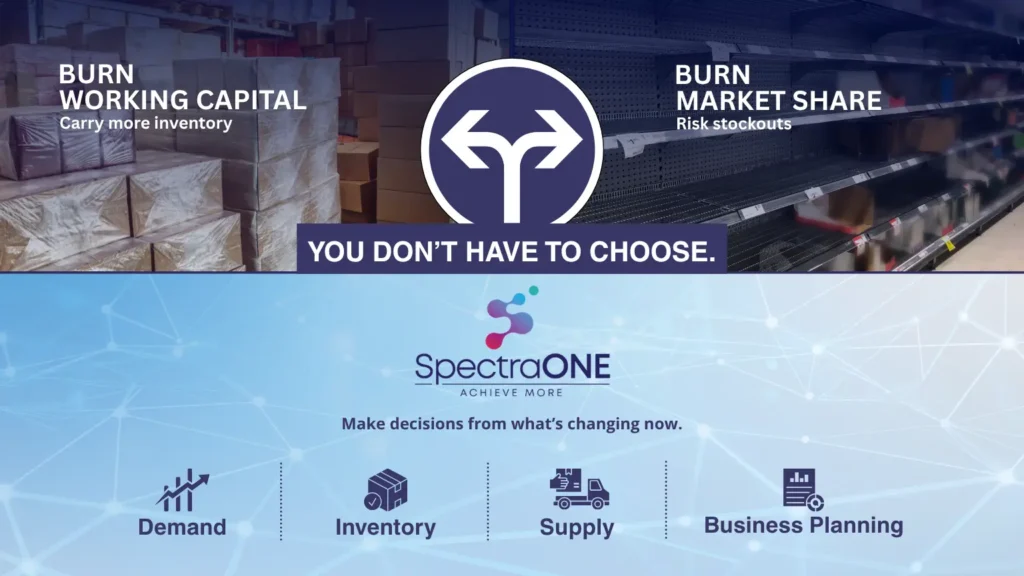
Many packaged-food manufacturers are supplementing annual and historical forecasts with current demand signals and postponement strategies. These approaches can help planners respond to changing demand while balancing availability, shelf life, production capacity, and inventory exposure.
What Research Shows About Seasonal Demand Planning
Historical enterprise resource planning (ERP) and shipment data remain useful, but they may not capture sudden changes in consumer demand, promotions, weather, distribution, or retailer inventory. Seasonal planning is stronger when historical baselines are supplemented with current market and channel signals.
Research and market examples illustrate why seasonal food demand requires a combination of long-term forecasting and short-term demand signals:
1. Why Inside-Out Planning Can Miss Seasonal Demand Signals
Supply-chain researcher Lora Cecere (founder of Supply Chain Insights) describes many traditional planning processes as “inside-out,” beginning with internal transactions rather than external market signals. Seasonal inventory planning becomes more responsive when sales, operations, procurement, and distribution teams use shared demand and inventory data.
Point-of-sale (POS) data can show what consumers are buying by stock-keeping unit (SKU), location, and week. Combined with inventory and distribution data, it can help planners distinguish consumer demand from distributor ordering patterns and respond more accurately.
2. Combine Seasonal Forecasting With Real-Time Demand Signals
Traditional demand planning and demand sensing serve different time horizons and work best when used together:
- Traditional demand planning uses historical sales, shipments, seasonality, promotions, and commercial assumptions to create medium- and long-term forecasts.
- Demand sensing uses recent point-of-sale, order, inventory, promotion, and pricing data to refine short-term forecasts. It can help planners identify changes sooner, while safety-stock decisions should account for forecast error, demand and lead-time variability, and service-level targets. For packaged foods, shelf-life constraints should also guide inventory decisions.
3. Evaluate AI Forecasting Benchmarks Carefully
Industry research illustrates the potential value of better forecasting, although results vary by data quality, operating model, product mix, and implementation:
- McKinsey (“Succeeding in the AI supply-chain revolution”) reports that AI-driven supply-chain forecasting can reduce forecast errors by 20% to 50% and reduce lost sales and product unavailability by up to 65%. These figures are potential benchmarks, not guaranteed outcomes for every packaged-food business.
- The Times of India reported that ice cream gross merchandise value (GMV) on Indian quick-commerce platforms reached approximately ₹560 crore in May 2026, increasing 140% year over year. The example demonstrates how sharply seasonal demand can rise within a specific market and channel.
A Practical Framework for Seasonal Demand Forecasting and Inventory Planning
Packaged-food companies can combine statistical forecasting, commercial input, current demand signals, and postponement to manage seasonal peaks. Two core industry practices drive this approach:
1. Multi-Variable Short-Term Demand Sensing
Rather than relying solely on last year’s sales, modern demand-sensing models analyze recent point-of-sale data, orders, inventory positions, promotions, weather forecasts, and online demand by SKU and location. Refreshing forecasts as new signals arrive helps planners adjust inventory deployment and purchasing decisions before imbalances become costly.
2. Supply-Chain Postponement: Buffer Work in Process, Not Finished Goods
Completing seasonal packaging too early can create excess inventory when regional preferences, flavors, or promotional demand differ from the forecast. With a supply-chain postponement strategy, manufacturers prepare common ingredients or semi-finished products in advance and delay final flavoring, labeling, or packaging until demand becomes clearer. Timing reflects actual production, quality release, packaging, and transportation lead times, supporting service targets while reducing obsolete packaging and post-season markdowns.
How SpectraONE Connects Seasonal Demand Forecasting to Procurement Execution
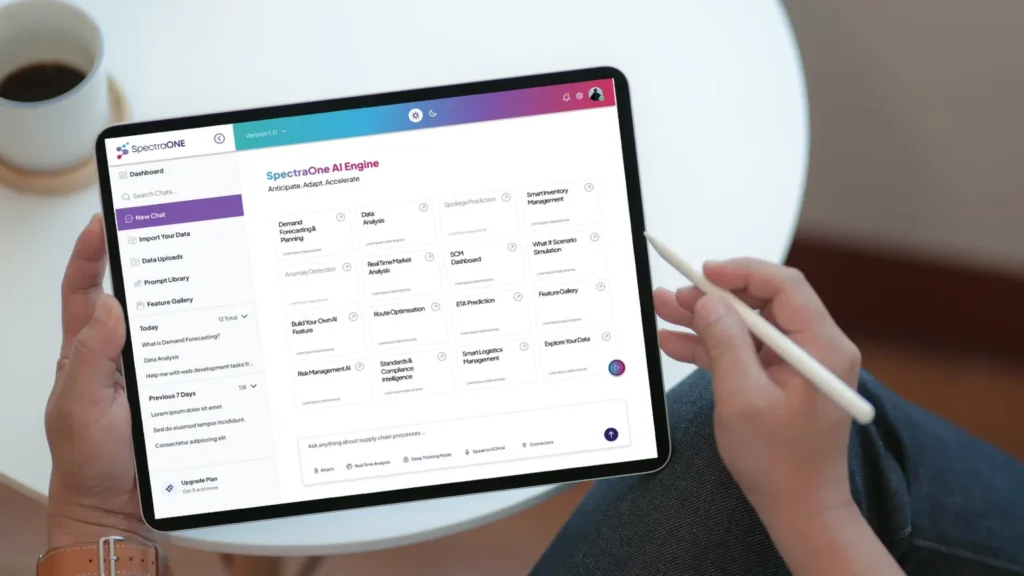
A demand-forecasting initiative does not require replacing your existing ERP or warehouse management system (WMS). SpectraONE operates as an intelligent decision layer alongside your existing systems bridging the gap between demand signals and actual purchasing execution.
Instead of leaving planners to manually translate forecast spreadsheets into supplier orders, SpectraONE connects multi-variable demand forecasting directly to governed procurement workflows:
| Core Capability | How It Works in Your Daily Workflow |
| Multi-Variable Demand Forecasting | Combines historical sales, promotional calendars, seasonality, and external demand variables to generate granular, SKU-location forecasts across your network. |
| Automated Procurement Recommendations | Translates updated demand forecasts, current stock levels, and supplier lead times into actionable replenishment and raw-material purchase recommendations. |
| Human-in-the-Loop Review & PO Generation | Keeps planners and buyers in full control. Teams review suggested order quantities, adjust commercial constraints, and generate purchase orders (POs) within a structured approval workflow. |
| External APIs & ERP Write-Back | Connects to existing ERP and WMS platforms via external APIs to ingest live sales and inventory data, then writes approved POs directly back into your core system of record. |
Operational Benefits for Packaged Food Teams
- Eliminate Manual Spreadsheet Reconciliation: Centralized demand and inventory signals reduce hours spent manually stitching together ERP exports and forecast tabs.
- Faster Forecast-to-PO Execution: Connecting demand forecasts directly to automated procurement recommendations accelerates purchasing cycles during fast-moving seasonal spikes.
- Proactive Stock Rebalancing: Visibility into regional demand velocity helps planners redirect inventory toward high-demand locations before stockouts occur.
- Earlier Lead-Time Risk Detection: Tracking supplier and transit lead times alongside live demand helps teams spot seasonal bottlenecks before service levels drop.
Frequently Asked Questions
What is the difference between traditional demand planning and AI demand sensing for packaged foods?
Traditional seasonal demand planning creates medium- and long-term forecasts using historical demand, seasonal patterns, promotions, distribution plans, and commercial assumptions. AI demand sensing supplements that baseline with recent point-of-sale, inventory, weather, order, and event data to refine short-term forecasts.
How does supply chain postponement reduce inventory risk during seasonal demand spikes?
Postponement keeps products in a common, semi-finished, bulk, unflavored, or unpackaged form until demand becomes clearer. Delaying final differentiation can reduce excess finished-goods inventory, but the decision must still account for production capacity, quality-release time, packaging availability, and delivery deadlines.
How does SpectraONE integrate with existing ERP systems?
SpectraONE uses external APIs to connect alongside your existing ERP and WMS infrastructure. It ingests historical sales, open orders, and stock positions to generate demand forecasts and procurement recommendations and once reviewed by your team, writes approved purchase orders directly back into your ERP system.
Discuss your seasonal demand-planning challenges with our team and see how SpectraONE connects multi-variable demand forecasting with automated procurement recommendations, human-in-the-loop PO generation, and seamless ERP write-back.