
From Reacting to Deciding: How FMCG Planners Can Escape Excel Firefighting in APAC
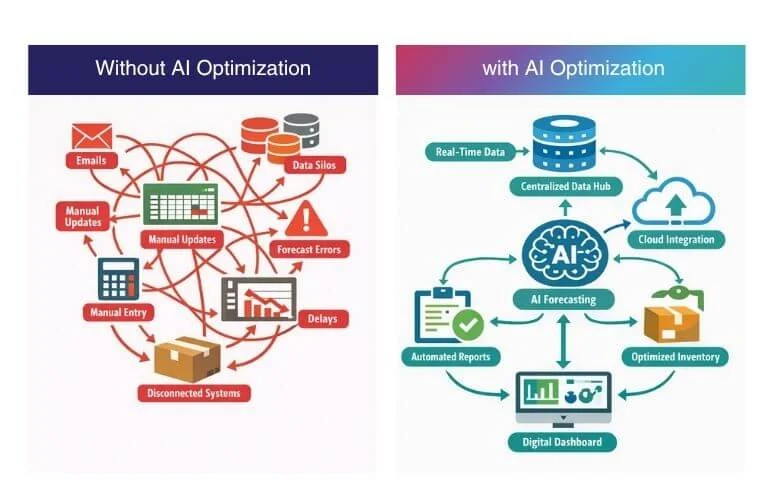
If you speak to most FMCG planners today, one phrase comes up again and again—“We’re constantly firefighting.”
A sudden spike in demand, a promotion that didn’t go as planned, or a stockout that no one saw coming. And more often than not, the root cause traces back to one thing: spreadsheets.
Across APAC, where markets are fast-moving and unpredictable, relying on Excel for planning is becoming a serious limitation. According to industry reports, companies relying on manual planning methods experience 20–30% higher forecast errors.To stay ahead, companies need to rethink how they approach demand forecasting in FMCG.
The Reality of FMCG Planning in APAC
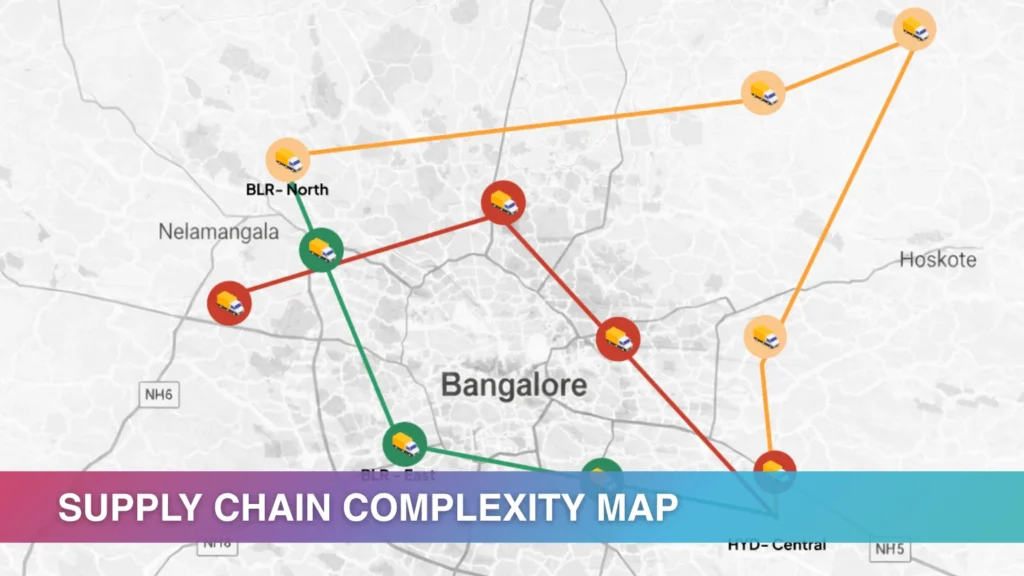
APAC contributes to nearly 40% of global FMCG growth, driven by rapid urbanization, e-commerce expansion, and changing consumer behavior.
For planners, this means:
- Managing hundreds (sometimes thousands) of SKUs
- Handling demand across multiple channels
- Planning around frequent promotions
- Reacting to sudden demand changes
Accurate demand forecasting in FMCG becomes critical in such environments.
Why Excel Is No Longer Enough
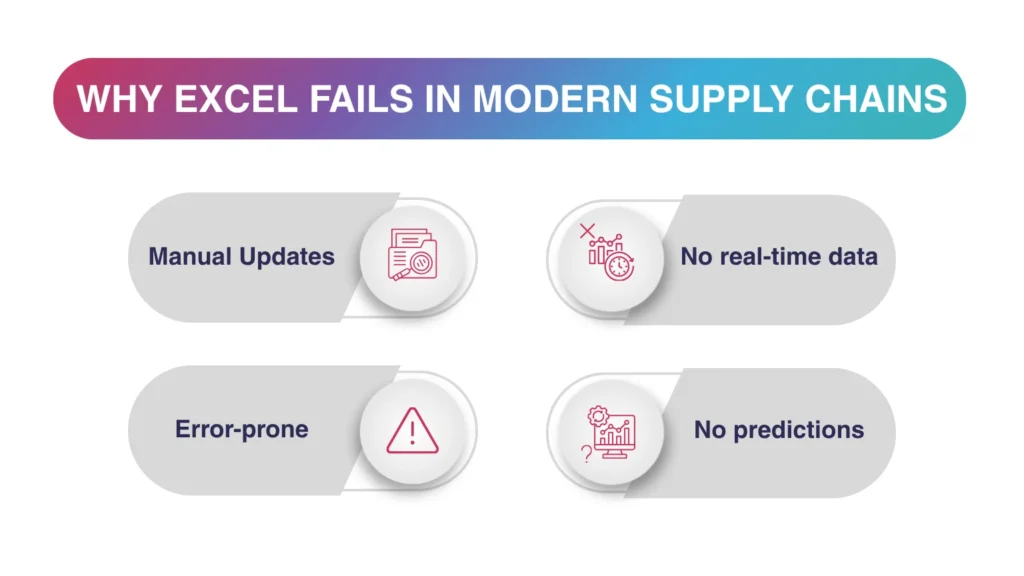
Spreadsheets have been the backbone of planning for years. They’re familiar, flexible, and easy to start with. But they weren’t built for today’s supply chains.
The limitations of Excel in supply chain planning are becoming harder to ignore:
- Data is scattered across systems and manually updated
- Version control becomes messy with multiple stakeholders
- Errors creep in without visibility
- There’s no real way to predict what’s coming next
These manual demand forecasting issues force teams into reactive workflows and limit the effectiveness of demand forecasting in FMCG.
The Hidden Cost of Firefighting
Firefighting might feel like part of the job, but it comes at a cost.
Studies show that poor forecasting can increase inventory costs by up to 25%, while stockouts can lead to 5–10% lost sales annually.
- Stockouts during high-demand periods
- Excess inventory sitting in warehouses
- Increased logistics and operational expenses
- Lost sales and unhappy customers
These are common supply chain inefficiencies across FMCG operations.
Moving Toward Smarter Forecasting
To break this cycle, FMCG companies need to move from reactive planning to proactive decision-making.
Organizations adopting AI-driven planning report 15–30% improvement in forecast accuracy and up to 20% reduction in inventory levels.
This is where modern demand forecasting software starts to make a real difference. Instead of relying only on historical data, these tools continuously analyze patterns, demand signals, and operational data.
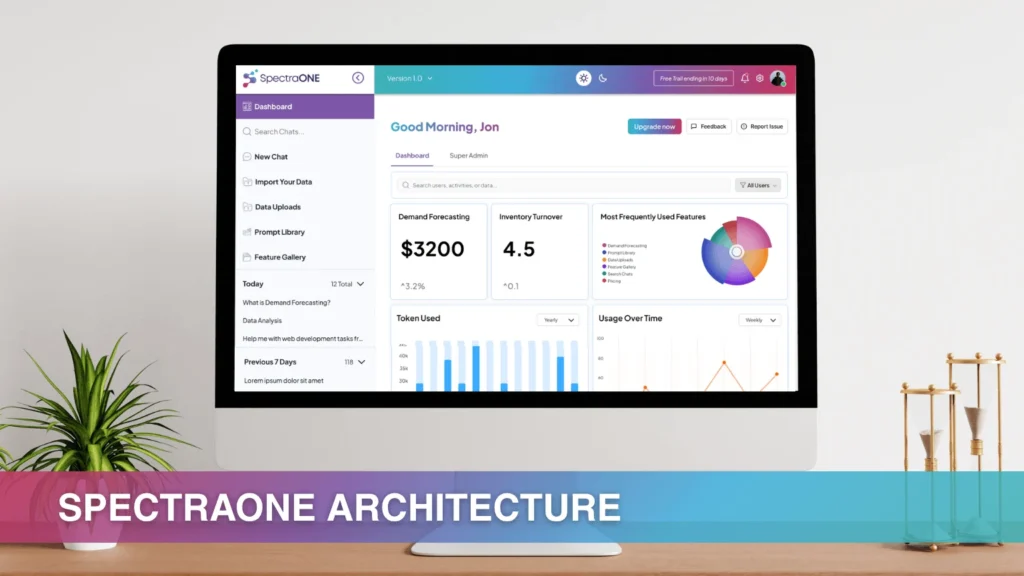
Platforms like SpectraONE act as an intelligence layer across the supply chain by connecting data from sales, inventory, and operations. This enables real-time visibility, early demand signal detection, and more accurate demand forecasting in FMCG.
How to Improve Demand Forecasting Accuracy
Improving accuracy doesn’t happen overnight, but a few changes can make a big impact.
- Use more than just historical data
- Reduce manual work and address manual demand forecasting issues
- Focus on real-time visibility
- Continuously refine forecasts
Adopting the right demand forecasting software helps strengthen demand forecasting in FMCG and improve responsiveness.
From Firefighting to Decision-Making
With intelligent demand forecasting software, planners can:
- Spot demand changes early
- Reduce stockouts and excess inventory
- Plan promotions more effectively
- Improve overall supply chain efficiency
Real-World Example
A mid-sized FMCG company in Southeast Asia was managing planning through spreadsheets across multiple markets.
- Frequent stockouts during promotions
- Excess inventory in low-performing regions
- Limited visibility across channels
After moving away from spreadsheet-based planning:
- Forecast accuracy improved by ~25%
- Stockouts reduced during peak demand
- Inventory holding costs decreased
How SpectraONE Helps FMCG Teams
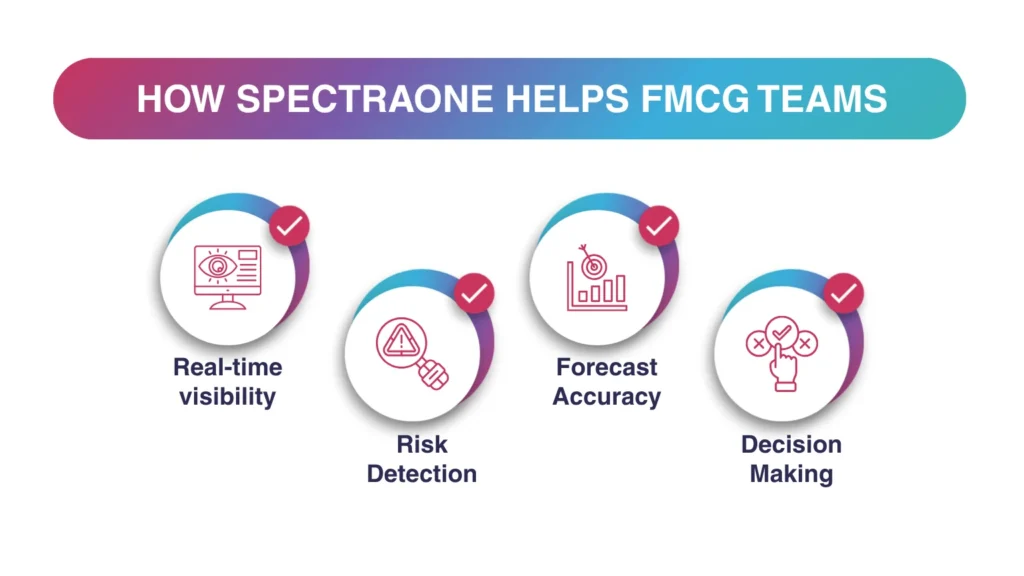
SpectraONE helps FMCG companies move beyond reactive planning by enabling:
- Real-time visibility across demand, inventory, and supply
- Early detection of demand fluctuations and risks
- Continuous improvement in forecast accuracy
- Faster, data-driven decision-making
Take the Next Step
If you’re still relying on spreadsheets, it’s worth evaluating the impact on your planning process.
- Use the ROI Calculator to estimate how much value you can unlock with platforms like SpectraONE
Final Thoughts
FMCG planning in APAC requires a shift toward smarter, data-driven approaches.By addressing the limitations of Excel in the supply chain, reducing manual demand forecasting issues, and minimizing supply chain inefficiencies, organizations can improve demand forecasting in FMCG and make better decisions.