
Why SKU-Location Forecasting Matters

When you’ve stocked up on the latest must-have product, some areas fly off the shelves while others sit untouched. Has it happened to you also?

In the world of supply chain management, one costly misstep many businesses make is overlooking local demand variability. We often rely on broad forecasts that consider product categories or national trends, but what about the local patterns?

The common approach

Most of the teams follow the same “We’ll just adjust as we go.” But the reality is that how a product performs in one area can be drastically different from how it performs in another, and legacy tools (and spreadsheets) often miss that entirely.

The common approach

Many businesses struggle with the unpredictability of local markets. If you’re tired of the guesswork and want a more reliable way to forecast and understand why SKU-location forecasting is essential for accuracy, agility, and margin protection, keep reading.

The Real Problem

If you stock the same SKU, say a new organic skincare product, across three distribution zones.

  • Zone A sells out by Day 3.
  • Zone B hits only 65% of expected sales.
  • Zone C had a weather delay and demand shifted to a substitute SKU.

But your system only forecasted average demand based on national past sales. So, the inventory was distributed evenly, not intelligently. By the time adjustments were made, stockouts and excess had already eaten into margins.

Legacy Forecasting Falls Short at the Local Level

LimitationResult
Forecasts at the category or national levelLocal demand gets ignored
No real-time location signalForecasts lag actual behavior
Overreliance on planner overridesManual work, bias, and delays
Static seasonality curvesCan’t react to local events (weather, local holidays, etc.)

Use Case: Forecasting at the SKU-Location Level with SpectraONE

Use Case Forecasting at the SKU-Location Level with SpectraONEStep 1 Ingest Transaction & External Data


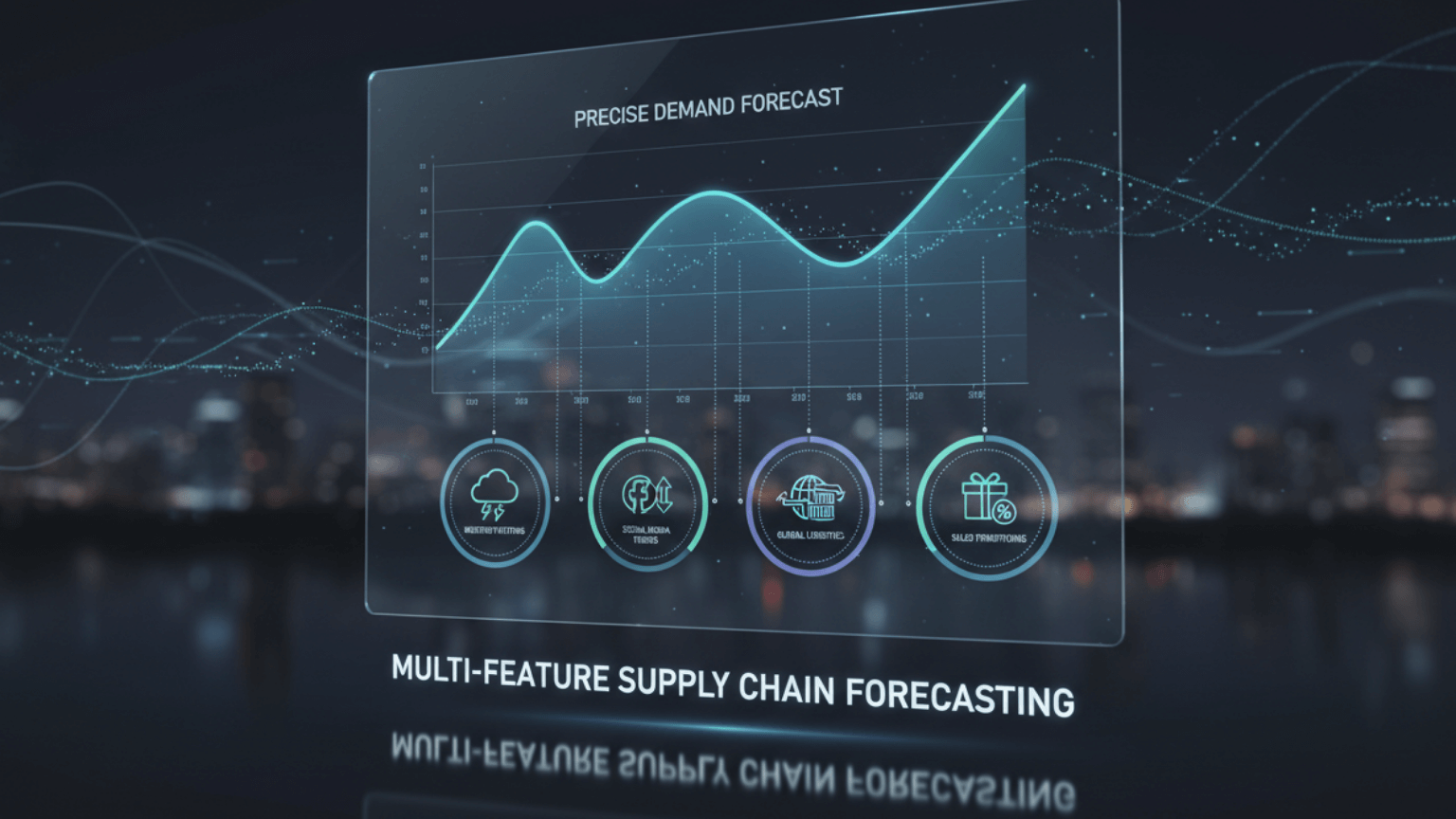
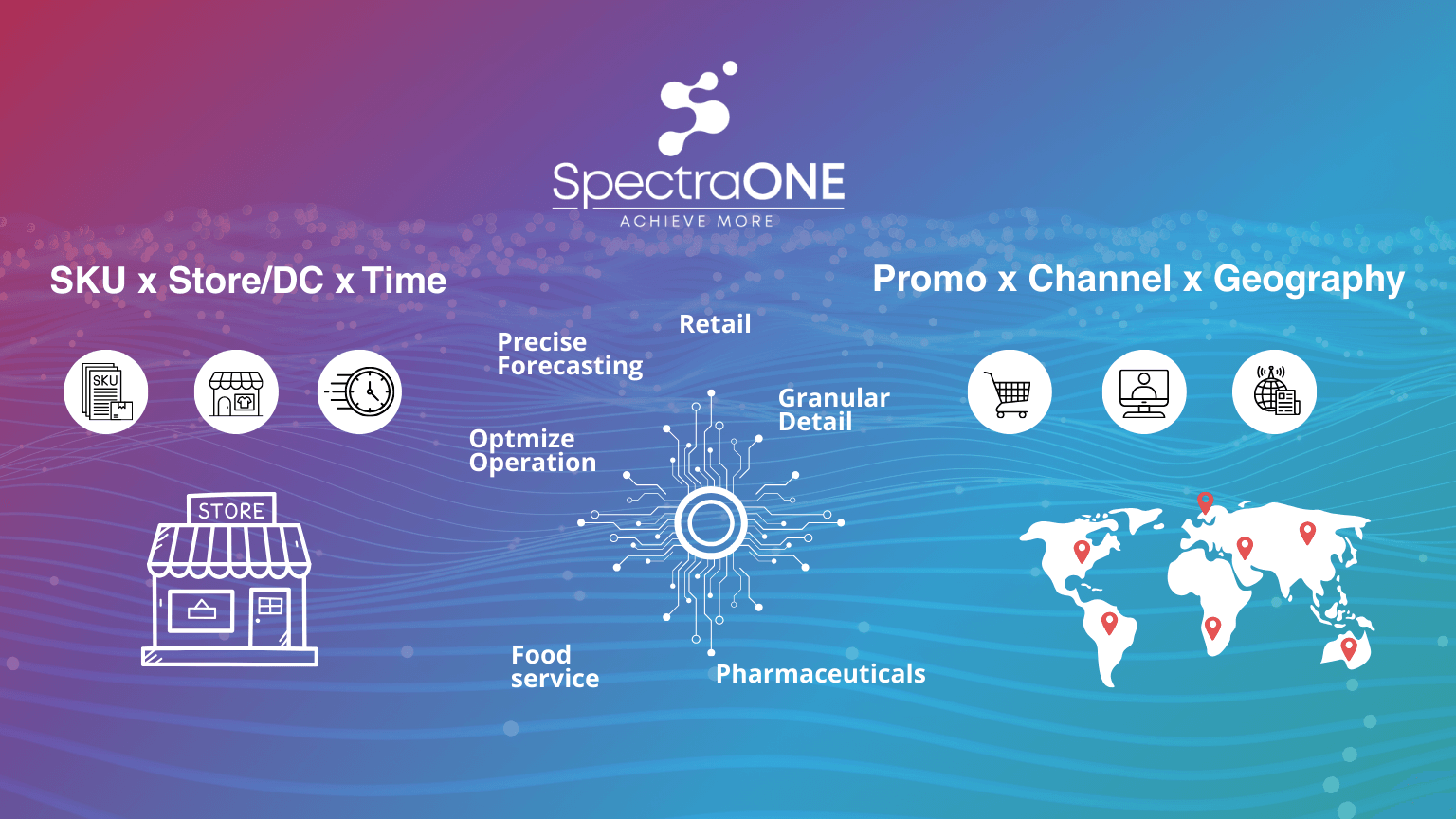
SpectraONE is meticulously designed to provide precise forecasting at an incredibly granular level, allowing users to break down forecasts into the following dimensions: 

SKU x Store/DC x Time

Promo x Channel x Geography.

This level of detail is essential for sectors such as retail, food service, and pharmaceuticals, as well as other multi-node supply chains, enabling businesses to optimize operations and improve inventory management.

Here’s a Detailed Overview of How It Works:

Step 1: Ingest Transaction & External Data

Step 1_ Ingest Transaction & External Data

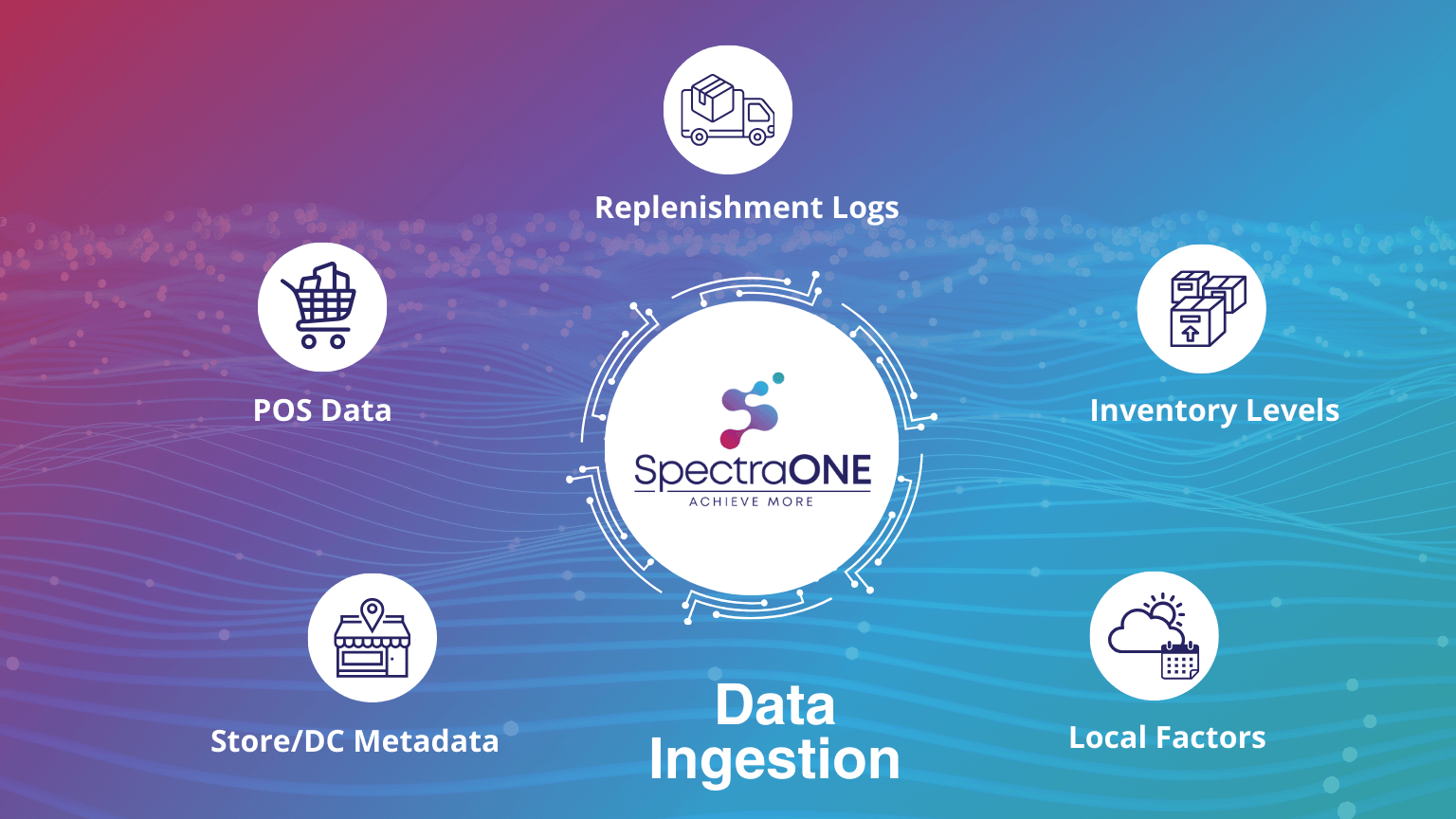
This step involves integrating various data sources through specialized adapters, enabling SpectraONE to efficiently pull in critical data, including:

Point of Sale (POS) Data: This provides real-time insights into product sales at individual locations, helping capture consumer purchasing patterns.

Replenishment Logs: These logs provide information on inventory restocking activities, which are vital for understanding inventory turnover and stock levels.

Inventory Levels: Ingesting current inventory statuses allows the system to assess stock availability and anticipate future demands.

Store/DC Metadata: Information about each store and distribution center, such as size, layout, and typical customer demographics, helps tailor the forecasts.

Local Factors: External factors that may affect sales, such as weather patterns, public holidays, community events, and seasonal trends, are also integrated to enhance forecast accuracy.

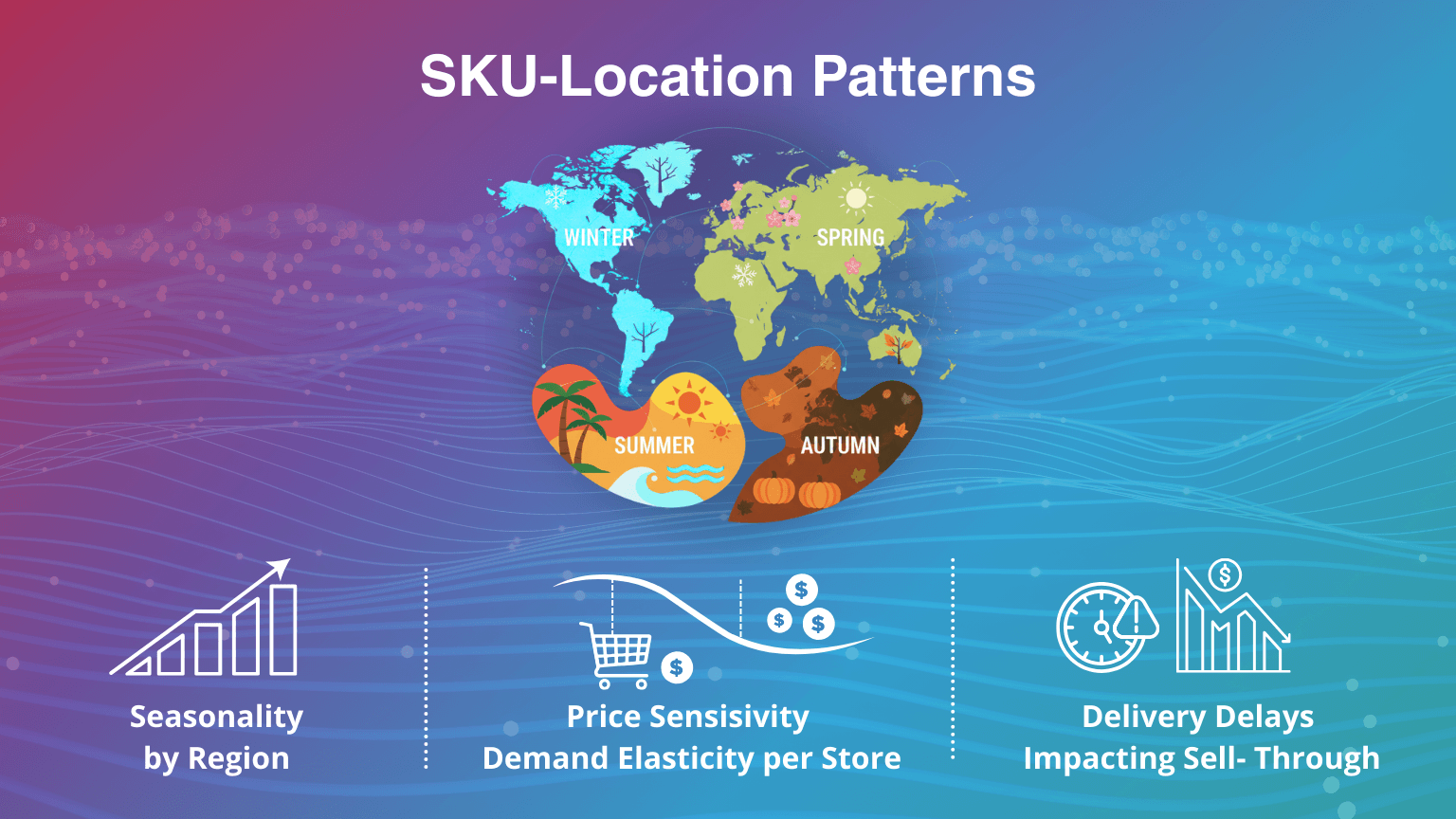
Step 2: Build SKU-Location Patterns 

Step 2 Build SKU-Location Patterns

Instead of relying on broad national aggregates that may obscure local trends, SpectraONE analyzes data to identify:

Seasonality by Region: Understanding that different areas experience distinct seasonal trends allows for more accurate forecasting.

Demand Elasticity per Store: Recognizing how sensitive customers are to price changes at different locations enables fine-tuning of pricing strategies.

Delivery Delays Impacting Sell-Through: The system tracks delivery delays, ensuring potential impacts on sales are factored into forecasts.

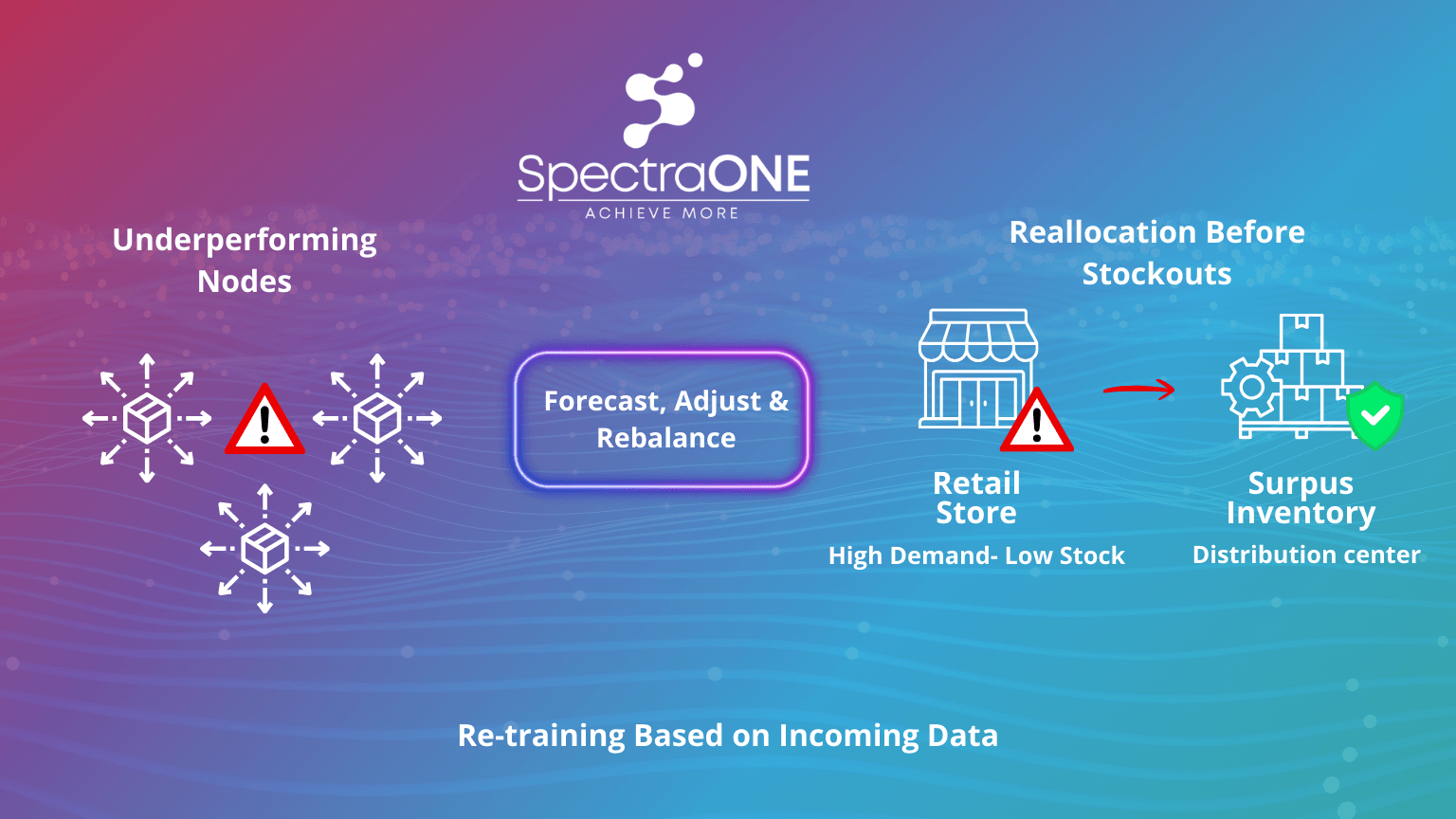
Step 3: Forecast, Adjust & Rebalance

Step 3 Forecast, Adjust & Rebalance

Once forecasting is complete, SpectraONE continuously monitors real-time performance metrics to ensure ongoing accuracy. This stage involves:

Flagging Underperforming Nodes: Identifying stores or distribution centers that are not meeting expected sales targets enables immediate strategic interventions.

Suggesting Reallocation Before Stockouts: The system proactively recommends inventory reallocations to prevent stockouts, ensuring that high-demand locations are adequately stocked.

Re-training Based on Incoming Data: As new data comes in, the forecasting model adapts and recalibrates, refining its accuracy and performance over time.

The Tech Behind It

SpectraONE’s forecasting capability is powered by:

  • LLM-infused transformer models for context-rich, resolution-aware predictions
  • Multi-echelon visibility across inventory nodes
  • Location-aware agents that adapt to local variables, not just global ones
  • Adapter-first data ingestion for flexible integration with POS, WMS, or ERP

KPI Impact from Pilot Benchmarks

KPITarget Delta
Stockouts↓ 20%
Forecast Accuracy↑ 15%
Rebalancing Time↓ 25%

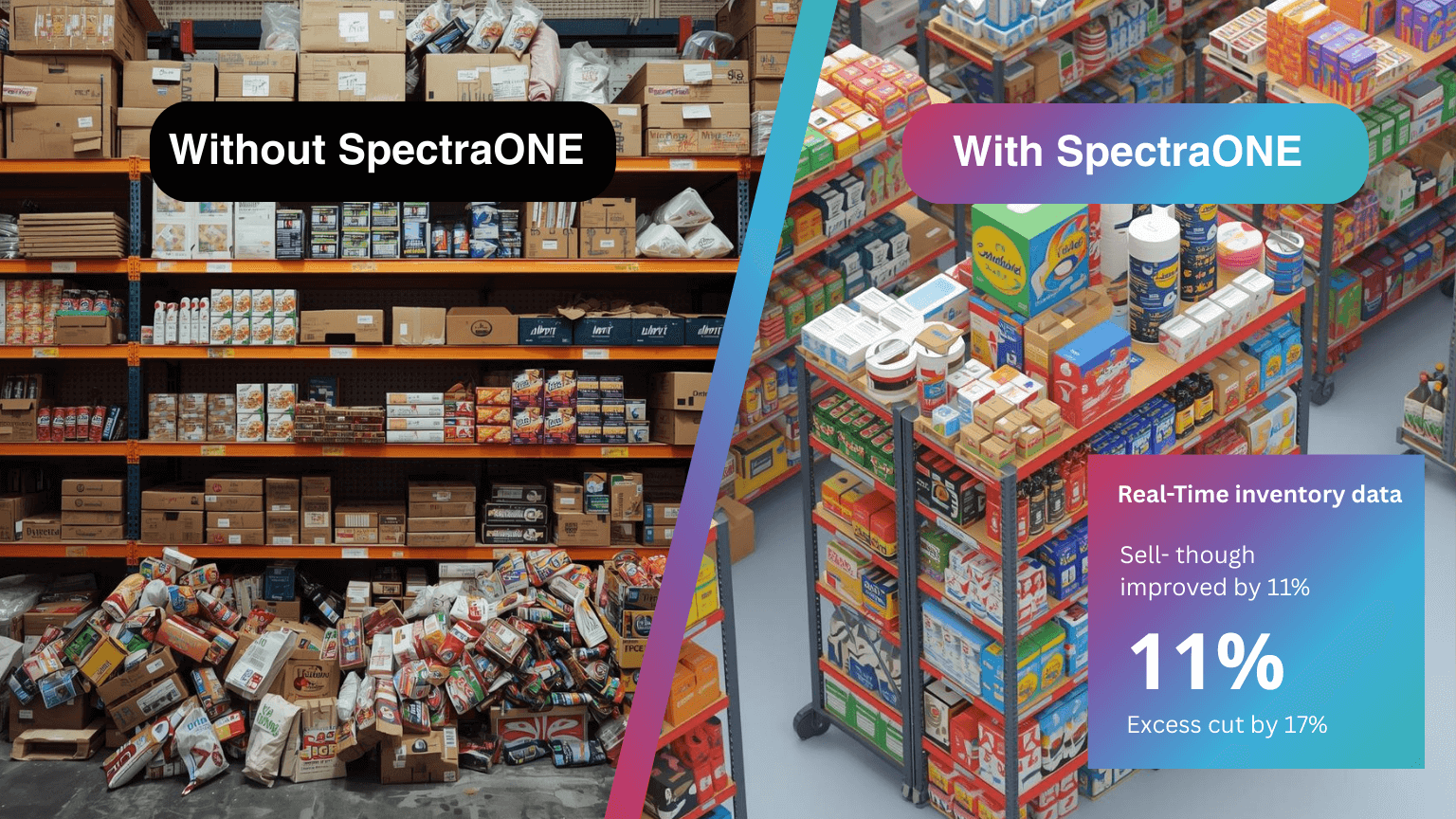
Quick Example: A national beauty retailer launches a limited-edition face serum across 150 stores.

Quick Example_ A national beauty retailer launches a limited-edition face serum across 150 stores
Without SpectraONEWith SpectraONE
– Forecasts were made at a product level, not a store level.
– Overstocks in low-traffic malls, 
– while high-traffic stores went out of stock on Day
– Forecast built at the SKU/store level
– Metro stores received 2.3x allocation
– Rural stores received adjusted volume
– Real-time shelf performance triggered auto-pull from central DCs

With SpectraONE, clients get a clear view of their business, allowing them to make smart choices that boost profits. They can stock the right products at the right times based on local demand, keeping customers happy and coming back for more. 

Plus, with proactive inventory management, they avoid running out of popular items, which drives more sales and builds customer loyalty.

2

Why Your Forecasts Break Down During Promotions

Have you noticed how unpredictable consumer behavior can be? Even when you think you’ve planned everything ideally weeks ahead of time, people can surprise you with what they decide to buy.

Why Your Forecasts Break Down During Promotions (2)

And how often have you had to pivot mid-promotion to adjust your offerings? This uncertainty can be a real headache. That’s why it’s so important to have effective forecasting strategies in place. Think in this way, if you could predict trends more accurately and align your inventory with actual demand, wouldn’t it take some of that stress off your shoulders?

4


By focusing on smarter planning, you can be ready to meet your customers’ needs without the last-minute rush.

The Challenge: Promo Weeks Derail Your Sales Forecast

What happens if your forecasting system confidently predicts that last month’s best-selling SKU, let’s say a trendy water bottle, will sell around 100 units again this month? It’s a solid assumption until your big promotion hits. 

The Challenge_ Promo Weeks Derail Your Sales Forecast

Those 100 units? You sell out in three days, leaving customers frustrated. Or, on the flip side, you predict a spike and order five times more, only to watch them sit untouched while they wait for markdowns to clear them out.

Why Traditional Tools Fall Short During Promotions

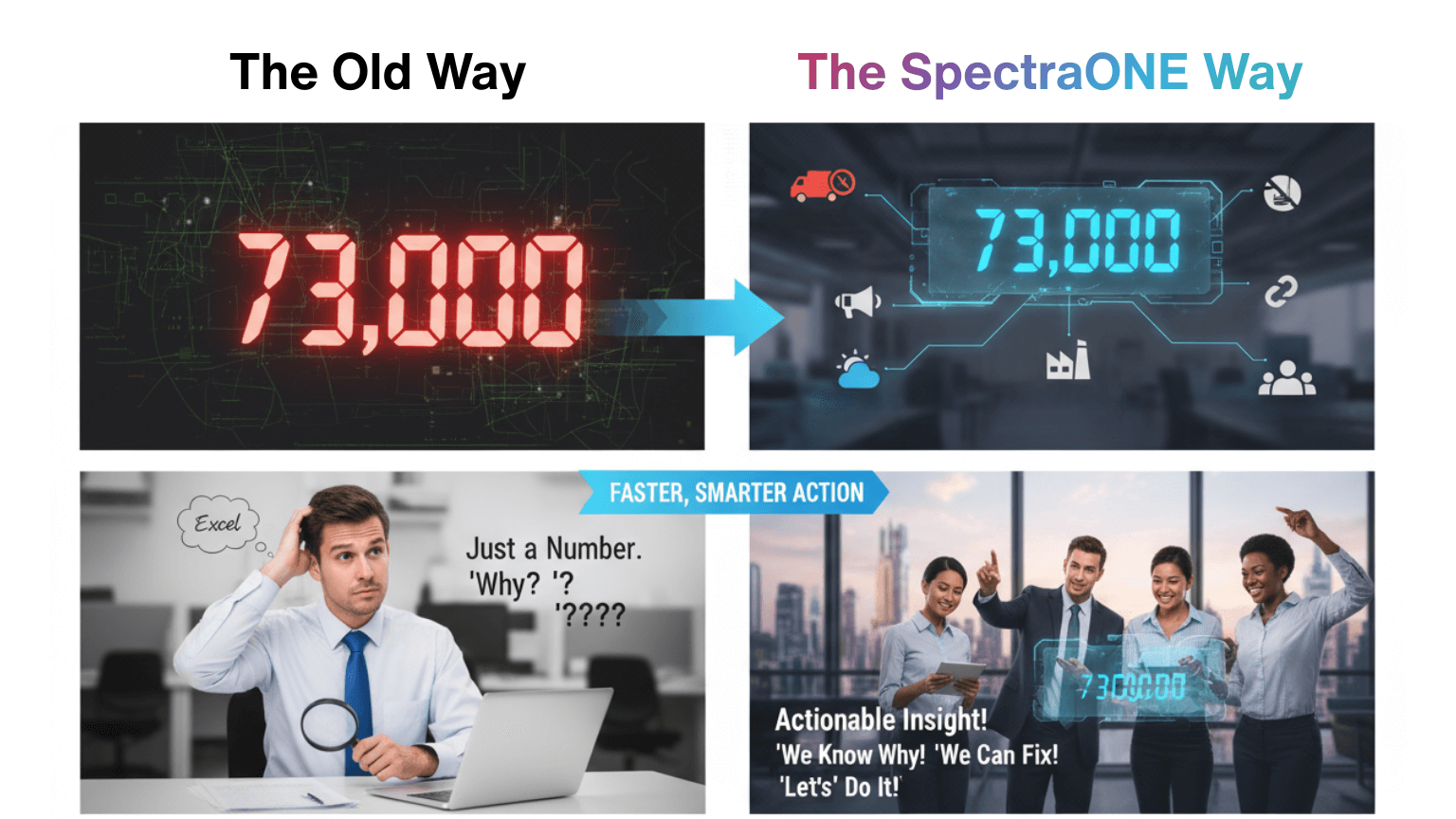
Your system relies on last month’s data, forgetting that promos like “20% off everything” can unpredictably spike demand. Let’s take a holiday weekend sale. Your traditional tool won’t capture that rush effectively, treating your promotional days like any regular day.

Consider two different brands: Brand A may sell out quickly during promotions,
while Brand B struggles to gain traction.

But your forecasting doesn’t differentiate, risking stockouts on the top seller.

Do you know your seasonality? But a sudden trend can unexpectedly surge sales. If you’re not adaptable, you’ll find yourself caught flat-footed. Every promotion is unique. A weekend flash sale is worlds apart from a month-long national campaign, yet traditional tools can’t distinguish between the two, leading to missed opportunities.

Let’s take an example to better understand it: Ice cream sales usually have a predictable uptick in summer. But when you run a “Buy Two, Get One Free” campaign, do you really know which flavors will fly off the shelves?

Why Traditional Tools Fall Short During Promotions

Promotions are a double-edged sword. If your forecasting tool isn’t equipped to handle the complexities, you risk missing the mark and either losing sales or drowning in excess inventory. It’s time to rethink how you forecast during promo weeks!

Use Case: Promo-Aware Forecasting with SpectraONE

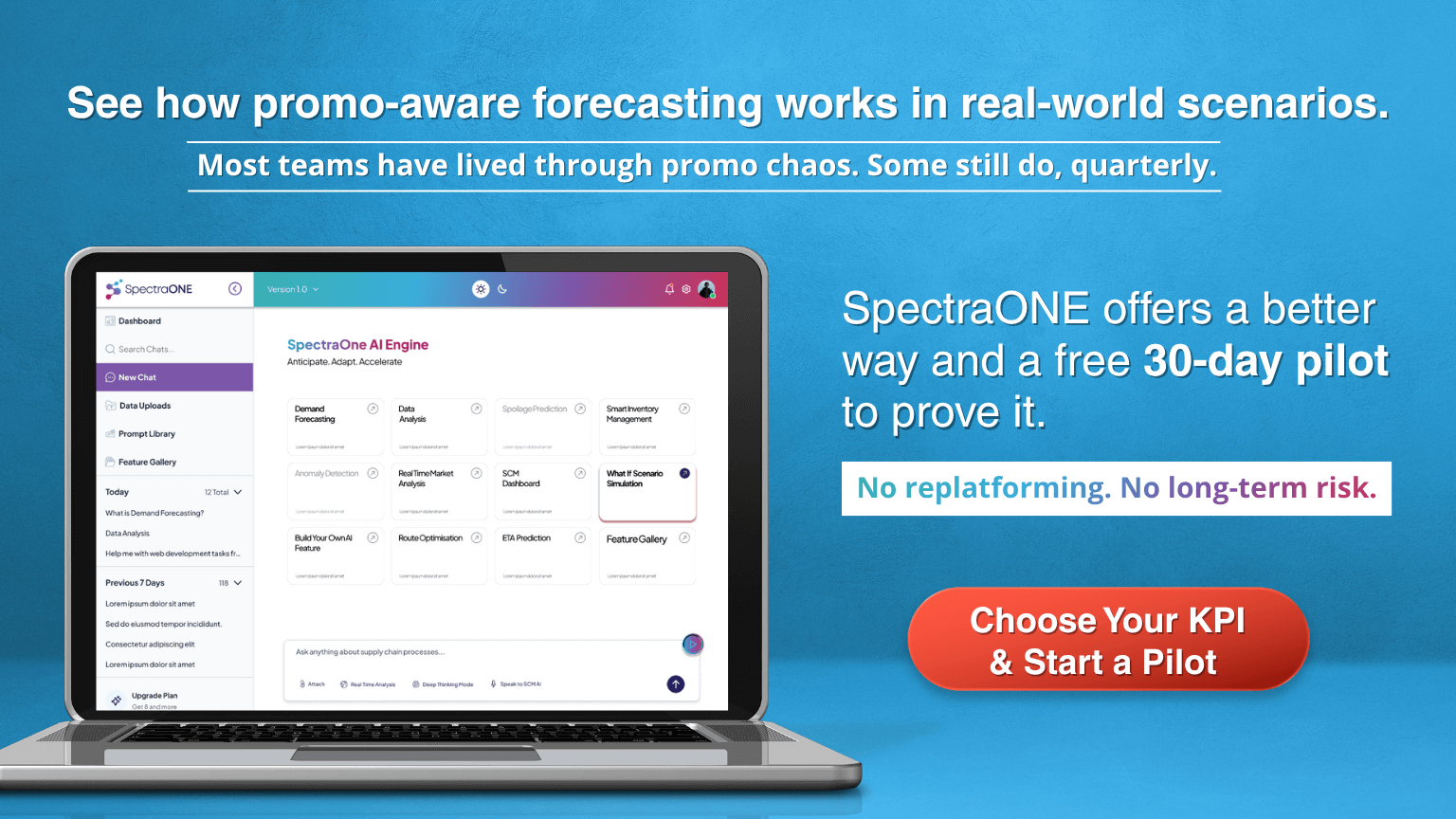
SpectraONE’s AI forecasting model approaches promotions differently because it’s designed to be context-aware. Here’s how it works in the real world:

Step 1: Ingest Promotion Metadata

SpectraONE integrates upstream with marketing, pricing, and planning tools or uses adapters to pull structured promo metadata (e.g., type, channel, duration, target uplift).

Step 2: Model Expected Impact

The engine uses promo-aware ML models that factor in:

  • Historical promo lift by SKU/category
  • Timing effects (weekend vs weekday)
  • Channel behavior (in-store vs online)
  • Elasticity curves and discount impact

Step 3: Adjust Forecast in Real Time

The system adjusts baseline forecasts before the promotion begins and continues to fine-tune based on live demand signals. That means if a campaign over- or under-performs, your replenishment plan reacts dynamically.

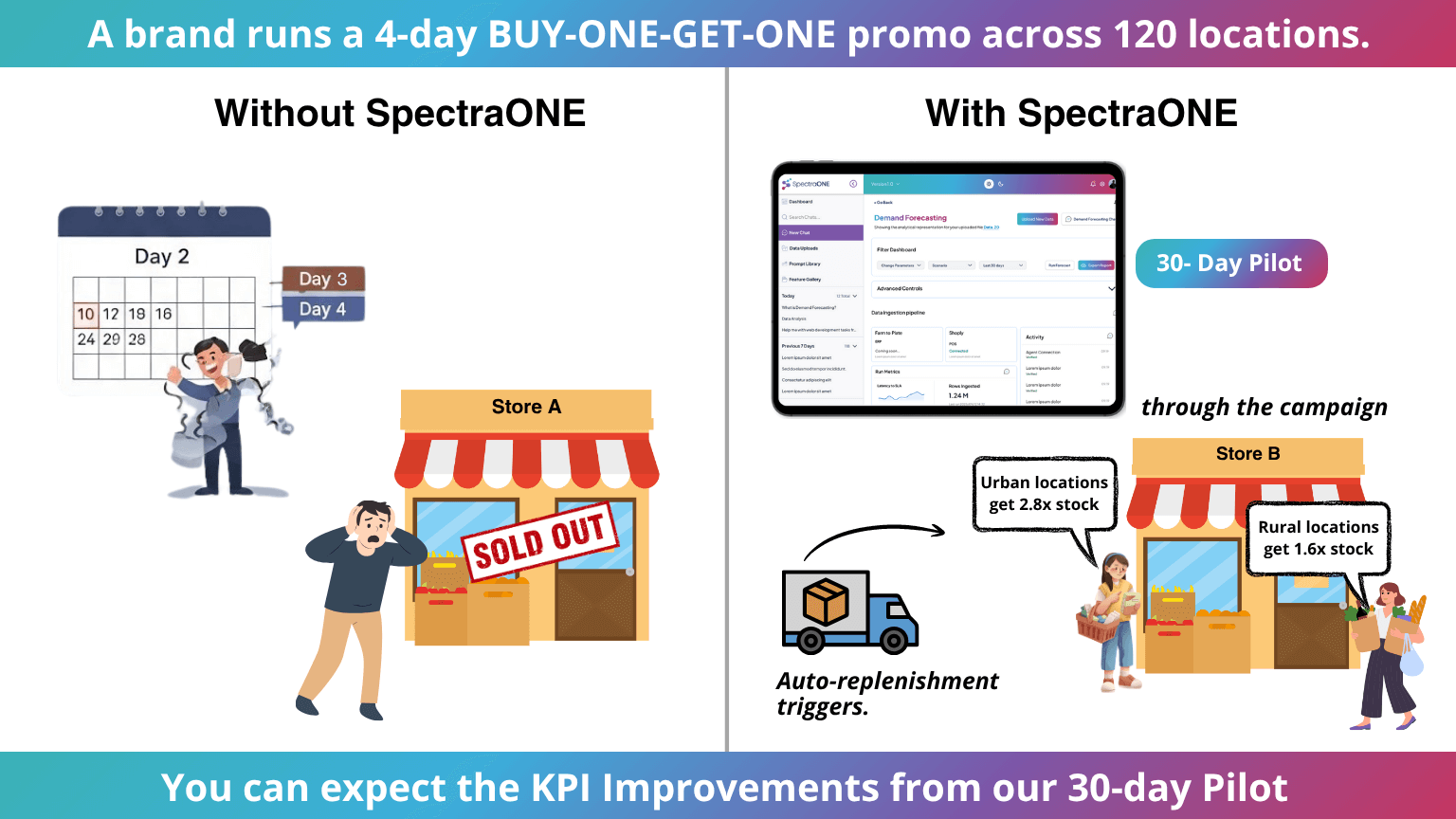
Let’s take an example, a national beverage brand runs a 4-day buy-one-get-one promo across 120 locations.

Without SpectraONE, each store receives 2x the average daily volume. Some sell out in 2 days. Others have 30% leftover.

With SpectraONE, the forecast will adjust per store based on past promo performance. Urban locations get 2.8x stock and Rural locations get 1.6x stock

Midway through the campaign, the system detects a higher uplift in certain areas and triggers auto-replenishment.

2

Built on Smart Tech That Understands Context

A combination of powers in SpectraONE’s forecasting engine:

  • Transformer-based models that recognize event-driven demand spikes
  • Adapter-first ingestion for flexible data mapping from promo calendars
  • Composable agents that respond in near real-time

And it’s not just for retail. Promo-aware models can be applied across industries:

  • Food & Bev: seasonal promos, shelf life, surge planning
  • Pharma: launch demand, generic competition
  • Electronics: channel-specific promotions, flash sales
1

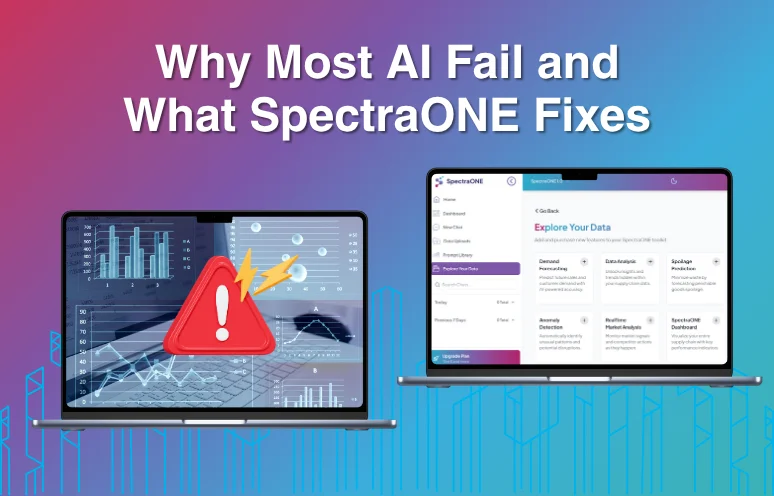
The Reality of AI in Supply Chains: Why So Many Tools Fall Short

Over the last few years, AI has been positioned as the future of supply chain transformation. Many organizations have explored AI-powered platforms, some through internal innovation teams, others through vendor-led pilots.

But despite the investment, real outcomes remain rare.

  • Demand forecasts remain inconsistent
  • Replenishment decisions are still reactive
  • Teams continue to rely on spreadsheets, fragmented systems, and manual workarounds
  • And the so-called “intelligent platforms” fail to deliver measurable improvements
hard_truth

The issue isn’t a lack of effort. It’s that most AI solutions aren’t built for real-world complexity, where priorities shift daily, data isn’t perfect, and operations are under constant pressure.

SpectraONE takes a different approach. Not another experimental tool nor a black-box solution. It is a purpose-built platform designed to help operational teams make smarter decisions with clarity, speed, and confidence.

What do we learn from others’ mistakes?

After working with teams in retail, F&B, pharma, manufacturing, logistics, and tech, we’ve seen the same patterns over and over.

Image 3

1. They’re built for perfect data, not real supply chains.

The tool demo looks great. The model’s smart. But once it hits your live environment?

  • Data’s messy
  • Sources don’t match
  • One DC uses a different SKU code format.
  • Forecasts fall apart because the tool assumes your world is clean and orderly

Most platforms struggle to cope with the chaos that real supply chains experience daily.

2. The learning curve is steep, and the value takes too long.

Some tools expect your team to think like data scientists. Others promise results but ask for months of prep work before you can see anything useful.

By the time it’s ready to go live, the problem you set out to solve has already cost you another quarter of margin erosion. And worse? Your team has lost trust in the whole thing.

3. It’s all flash. No follow-through.

You’ve seen the dashboards. They’re sleek but:

  • What do they actually help you decide?
  • Can they catch the shelf-level stockout that’s about to happen next week?
  • Can they help you course-correct a lane that’s slipping out of SLA right now?
  • Or are you stuck exporting charts just to take action?

For many teams, the answer is: “It looked great, but we still had to chase answers.”

How Is SpectraONE Different from Everything Else You’ve Tried?

Image 5

Most supply chain tools are built with the assumption that everything is already organized, that your data is clean, your team is aligned, and you’ve got time to train everyone on a new platform.

But that’s not how it works on the ground. If you’re like most teams we talk to, you’re juggling:

  • Forecast updates late in the day because the promo team made last-minute changes
  • Emergency supplier calls because you’re short on a critical SKU
  • Manually chasing ETAs because your TMS isn’t telling the full story
  • Piecing together insights from dashboards, spreadsheets, and email threads

SpectraONE fits into that world, not the ideal one. It helps you:

  • See issues early, before they show up in your KPIs
  • Know exactly why they’re happening.
  • Take action, without leaving your workflow or waiting on another tool.

And it does it without requiring a massive reset of your systems, processes, or people.

You don’t have to “adopt the platform.” It fits into what you already do.

SpectraONE doesn’t ask you to throw away your process. It enhances it.

  • Forecasts update with promo input, so no rework.
  • ETAs adjust based on live signals, so no ticket ping-pong.
  • Reorder points adapt across nodes, not just one warehouse.

No code. No playbook rewrite-just smarter decisions, in the flow of work.

You start seeing value fast and build from there.

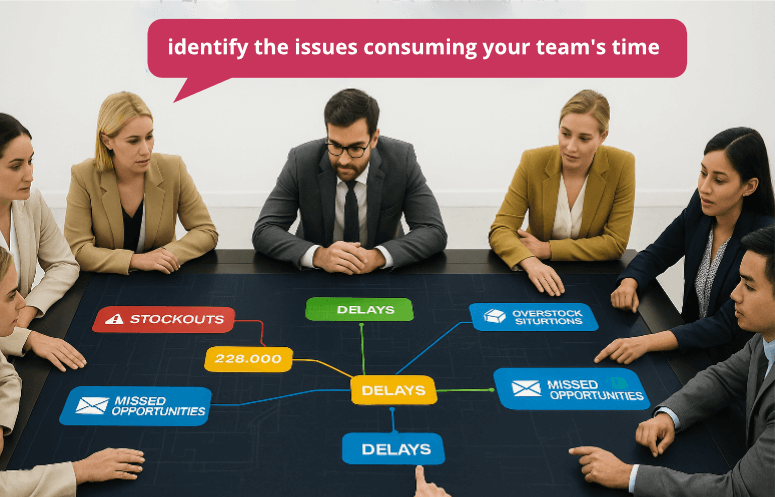
We do not adhere to lengthy 12-month roadmaps or require extensive IT transformations. Instead, we encourage you to identify the issue that is currently consuming your team’s time, such as stockouts, delays, overstock situations, or missed promotional opportunities.

Image 6

Our objective is to assist you in addressing these challenges effectively and efficiently. Our modular and agent-based architecture enables a rapid deployment of new features within days. Subsequently, you have the flexibility to scale your solutions as necessary, without being constrained by a vendor’s predefined roadmap.

How SpectraONE’s AI Actually Works: Step by Step

SpectraONE isn’t a black box. It’s a collection of smart, battle-tested AI technologies working together to remove guesswork and delays from your supply chain in real time.

Image 7

Let’s break down what happens behind the scenes:

1st: It understands unstructured chaos (Natural Language Processing (NLP))

A supplier sends an update buried in a free-text note: “Shipment might be late, container stuck at port, expecting release by Tuesday.”

Instead of someone having to read and manually log this, SpectraONE reads the message, flags the delay, links it to the right PO, and updates risk scores all automatically. No more surprises from emails buried in inboxes.

2nd: It summarizes what’s happening and why (Large Language Models (LLMs))

If your boss asks, “What happened to the Q3 stock levels in Region North?”

SpectraONE instantly analyzes forecast changes, late shipments, and demand surges, summarizing the cause in plain English, such as: “Stock depletion was driven by unplanned promo uplift and late inbound from Supplier B.” This eliminates the need to spend 3 hours building an answer from five dashboards.

3rd: It sees what humans miss ( Computer Vision)

For instance, your team may receive images of damaged goods that require inspection, documentation, and tagging.

SpectraONE analyzes the image, identifies the type of damage, and logs this information along with the purchase order, thereby triggering an automatic notification to the supplier. This process results in reduced inspection time, expedited claims, and enhanced record-keeping efficiency.

4th: It connects everything, instantly ( Knowledge Graphs)

Suppose a delay in a shipment of microchips from Vendor X isn’t just a late delivery, it’s connected to:

  • A potential production bottleneck next week
  • Three outbound orders that now face a shortage
  • A penalty risk for one high-priority client

SpectraONE maps these connections instantly and surfaces them in your workflow before you even ask. It help you to stop reacting, and start rerouting ahead of the curve. Together, these technologies form a single intelligent layer over your existing systems without needing a rip-and-replace.

What if you’ve never touched AI before?

Image 8

You are not at a disadvantage; you simply have not yet encountered the appropriate entry point. SpectraONE is designed not specifically for “advanced” teams but rather for those that are busy and seeking efficiency.

  • Whether you run on spreadsheets or SAP
  • Whether your team is on the floor or remote
  • Whether your forecasts are manual or auto-generated

We work with all of it. And we don’t expect perfection. AI isn’t useful unless it helps you make a better decision faster. That’s what SpectraONE is built for helping your team:

  • Spot what’s going wrong
  • Know why it’s happening
  • Get clear options to fix it
  • And act without five email threads and another spreadsheet
Image 9

What Is SpectraONE? (And Why Should I Care?)

You’ve probably heard this before: “We use different tools and platforms in our supply chain.” But when you look closer, it’s often a dashboard no one logs into, a forecast that no one trusts, and a “pilot” that’s been stuck for 9 months. 

We are not that kind of tool or platform.


SpectraONE is an AI platform built for supply chain teams, not just for data scientists. It’s helpful for companies across retail, pharmaceuticals, food and beverage, manufacturing, healthcare, and logistics. It seamlessly integrates via adapters into your existing ERP and WMS systems, allowing pilots to be stood up in weeks without large-scale IT changes. This helps you make faster, smarter, and measurable decisions every day.

1 (1)

It covers things like:

  • Promo-aware demand forecasting
  • Smart reordering across nodes
  • Anomaly detection with root-cause hints
  • ETA prediction and carrier benchmarking
  • Sourcing and risk mitigation suggestions


SpectraONE integrates via adapters into ERP/WMS systems, so pilots can be set up in weeks without large-scale IT changes.

How is it different from what we already use?

Most teams today are making critical supply chain decisions by:

  • Copying/pasting from Excel
  • Emailing seven people for approvals
  • Reacting to a delay after it’s already caused damage
  • Making “gut calls” when a machine learning model could do better

SpectraONE is different because it:

  • Predicts problems before they hit
  • Recommends actions you can take now
  • Learns and adapts over time
  • Fits into your workflows without forcing new ones

Every prediction comes with an explanation of why – delays, demand surges, or supplier issues, so teams can trust and act on the AI’s guidance. Instead of dashboards full of noise, you get alerts that matter, actionable steps, and results you can track.

What’s an AI platform like SpectraONE do for us?

Here’s what customers see across industries:

KPITarget / Delta 
Stockouts↓ 20% (based on pilot benchmarks and simulations) 
Excess↓ 15% (based on pilot benchmarks and simulations) 
Forecast Accuracy↓ 15% (based on pilot benchmarks and simulations) 
OTIF↓ 8% (based on pilot benchmarks and simulations) 
Expedites↓ 18% (based on pilot benchmarks and simulations) 
Lead Time Variability↓ 25% (based on pilot benchmarks and simulations) 

You can see the visible results with SpectraONE in just a few weeks, not 6 months.

Does this work for my industry?

Most likely, yes. SpectraONE is industry-agnostic; its adapter-first design allows it to learn and adapt to sector-specific challenges. We can support teams in:

Retail: Promo Planning, Shelf Availability, Markdown Optimization

Food & Beverage: Cold Chain, Expiry-Aware Replenishment, Surge Prediction

Manufacturing: Supplier Constraints, S&Op Inputs, Predictive Maintenance

Pharma/Life Sciences: Traceability, Audit Readiness, Validated Routing

Logistics & 3PL: ETA Accuracy, Dynamic Routing, Carrier Performance

Electronics/Tech: Lead Time Risk, BOM Volatility, Allocation LogicHealthcare Critical Stock Assurance, Case-Cart Prep, Recall Visibility

What if we just want to try one thing?

That’s the idea. SpectraONE is modular and extensible, allowing you to start with one use case, such as forecasting or anomaly detection, and expand as you see results. It’s not a monolithic “transformation project.” It’s a composable system that fits into your existing landscape.

What do we need to make this work?

Here’s what you don’t need:

  • A full data lake
  • A dedicated AI team
  • A 6-month roadmap

Here’s what you do need:

  • Access to some basic supply chain data (we’ll help map it)
  • A defined pain point you want to fix
  • Willingness to start with one small win and build from there

SpectraONE isn’t about dashboards. It’s about decisions. It’s designed for:

  • Planners who update multiple spreadsheets.
  • The ops manager who calls three carriers for an ETA.
  • The sourcing lead who chooses between delays and shortages.
  • The team who wants to get out of firefighting mode and into intelligent operations.

We’re not here to replace your workflows. We’re here to make them faster, smarter, and more reliable, so your work actually works.

Ready to see how SpectraONE fits your reality?